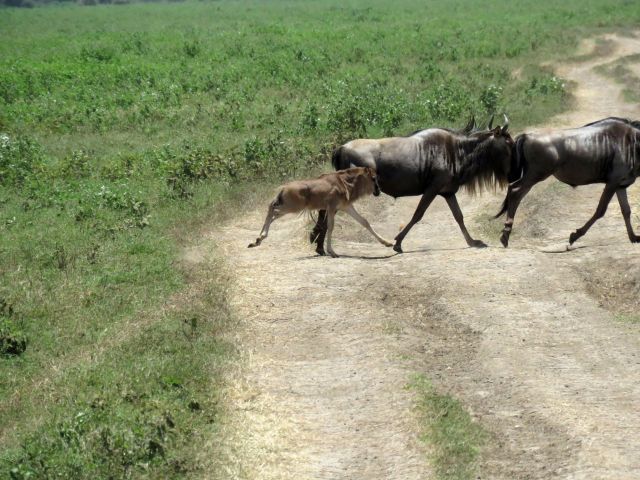
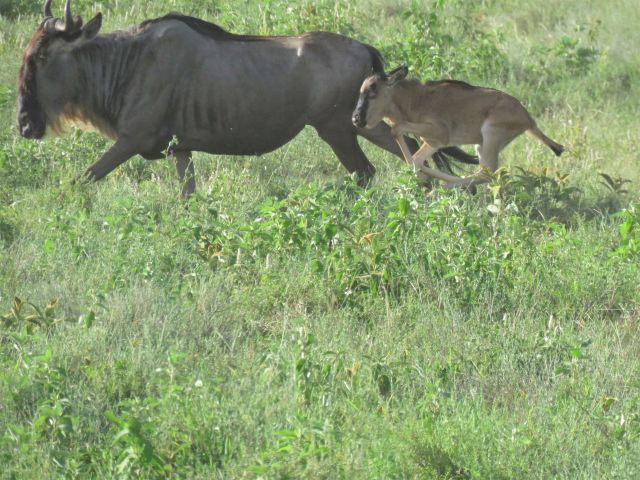
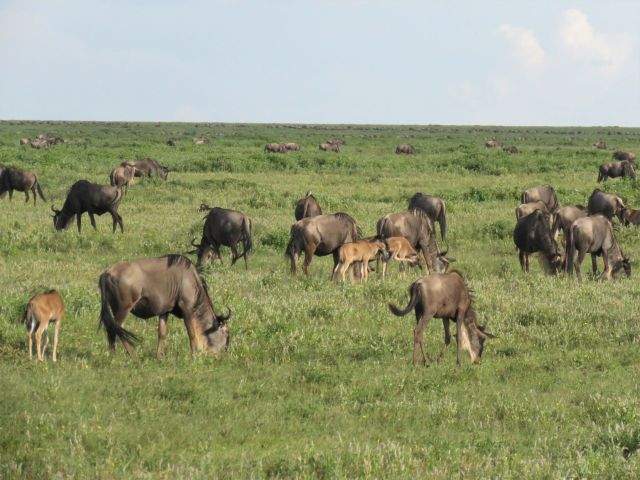
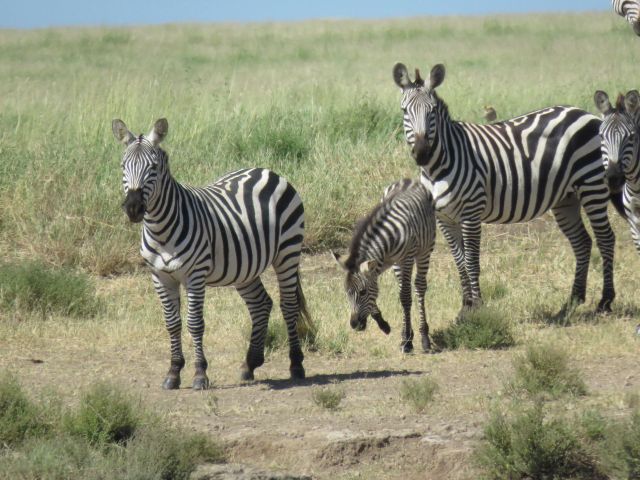
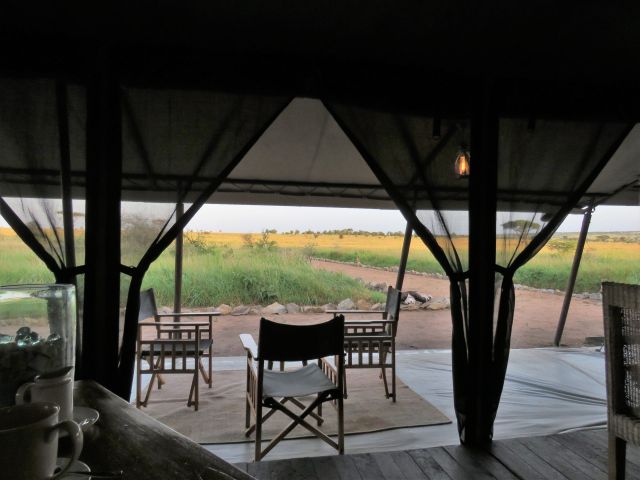
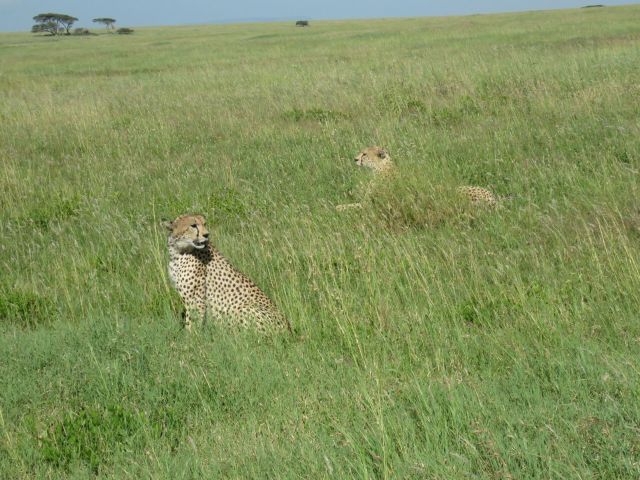
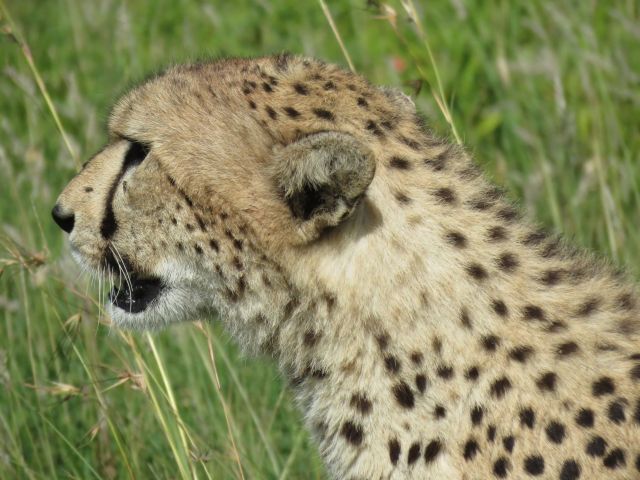
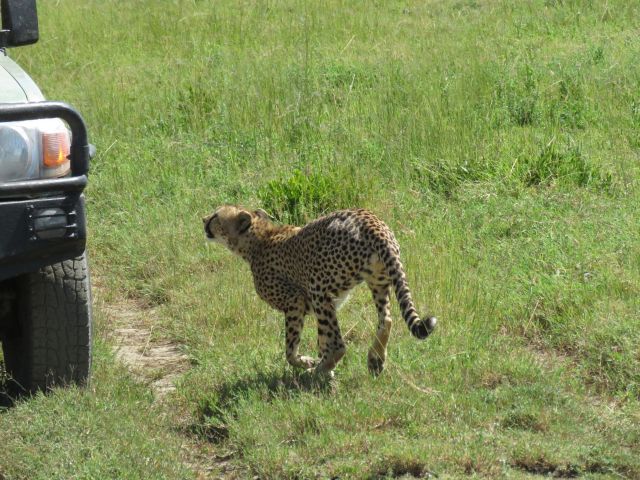
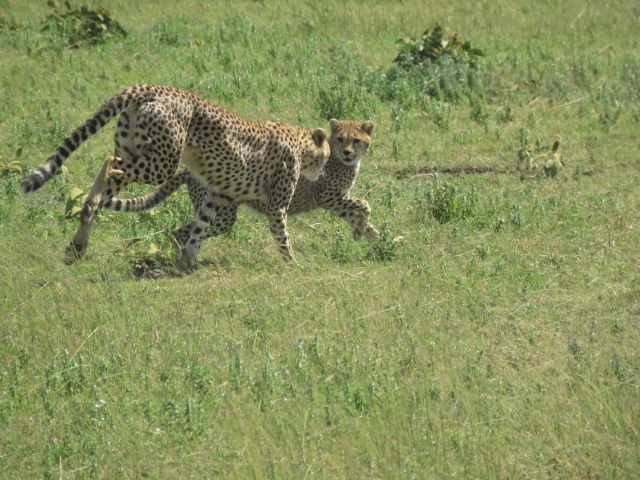
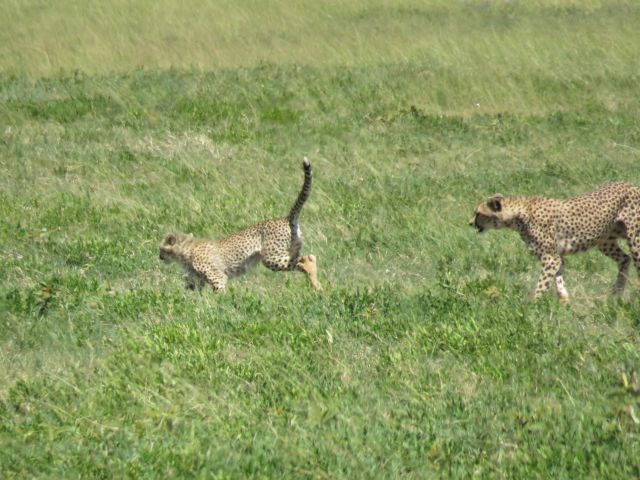
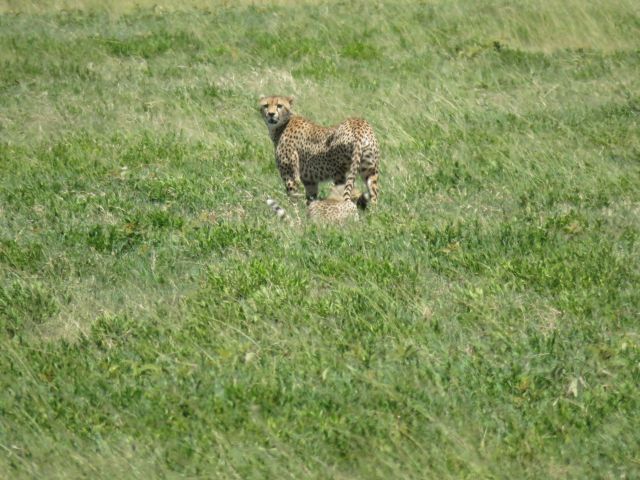
ONE LAST NIGHT IN NJOZI CAMP BEFORE RETURNING TO REALITY, BLOG 15, APRIL 2OTH 2020

ONE LAST NIGHT IN NJOZI CAMP BEFORE RETURNING TO REALITY, BLOG 15, APRIL 19TH 2020


On our drive back to camp we again enjoy the lines of cattle egrets skimming just above the ground on their way to Lake Ndutu for the night. We also reflect on all the astounding encounters we have had on this safari with George. What amazing things we have had the fortune to experience.
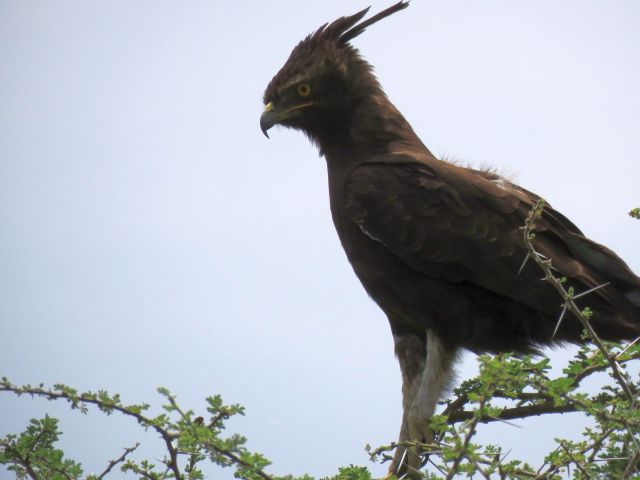
Long-Crested Eagle

As we pull into the camps driveway, George tells us we should leave Njozi by 7:30 in the morning since the journey to Arusha will take seven or eight hours. Salama and Lema are waiting for us as usual and we take the warm towels they offer with appreciation. We bid George goodnight and tell him we will see him in the morning.

As we walk to our tent there are new guests being escorted by staff members to their tents. George told us this morning that two groups of people were arriving at Njozi today. Paul and I look forward to meeting the guests this evening. We both agree at the two camps where we were the only customers, we missed the socializing with other safari goers at the end of the day. It is always fun to compare notes of your days sightings and to get acquainted with other folks that love Africa as much as we do.
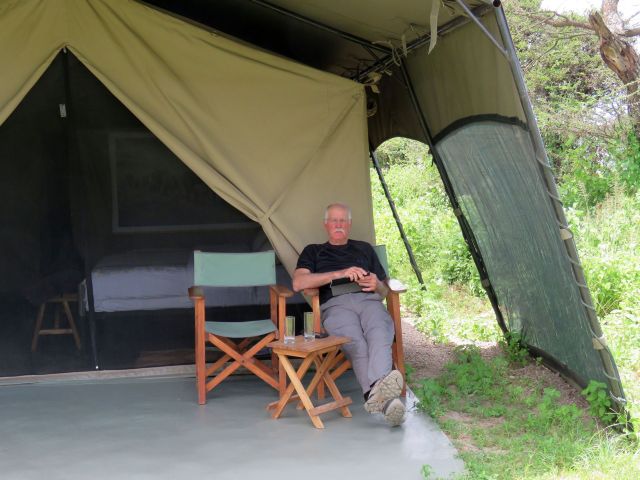
Another photo of Paul relaxing in front of our tent. Did I already use this photo??

When we walk to the bonfire tonight there are two young men seated near the crackling flames, each enjoying a beer. We introduce ourselves and find that the California natives are traveling with their parents and an uncle. When the rest of the family arrives and once Joseph has taken their order for drinks, we greet one another. The second group of people join us and we go through the same process of introductions, not that I will possibly remember all their names! One couple from the second group is from Colorado and their traveling companions are from California. As everyone is chitchatting, the two couples from California realize that they actually live in the same area and have attended functions together.  How small the world is!

Flowers that were growing around the tents in Njozi. Couldn’t do them justice.


David and Useph have joined this noisy crowd and readily answer questions from the new guests about their work in Ndutu.  At some point, Paul shows the researchers the video he took of the stealthy lion who got put in his place by the angry lioness. I can’t remember if it was David or Useph who nearly doubled over with laughter while watching the video.

David listens to a conversation Paul and I have with the Colorado couple about our African safaris. One of the topics we discuss is how disgusted we were with the behavior of humans at the wildebeest crossings that we witnessed in 2018 and they had witnessed on one of their safaris. David interjects that there is a new warden now and that rules have been put in place for guides at the river crossings. One of them is that vehicles must stay a certain distance from the riverbanks, (I think it was 80 meters). Another rule is that no one is allowed out of vehicles. The four of us are delighted to hear about these changes!
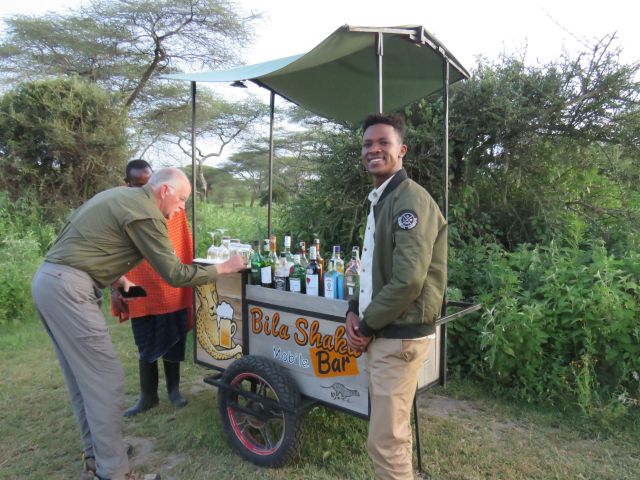
Another shot of Joseph and his liquor cart. Paul got in this shot.

Vana appears in front of us and announces that it is time to come to the dining tent for dinner. The staff have seated us all at the same table which proves to be a tight fit but we make it work. Paul spends his time enjoying the company of the California couple that are traveling with their sons. I am seated next to the couple from Colorado and the three of us visit all through the meal about our African adventures and travel in general. It is quite noisy in the canvas tent with all of us happily chatting away.

Paul and I are the first to leave since we need to prepare for our departure tomorrow. Our dinner companions say goodnight and tell us that they will see us tomorrow. We reply that unfortunately we won’t have that pleasure since we are going home tomorrow. We bid everyone goodbye and wish them the best of luck on their safaris in the coming days.

This morning we eat our last breakfast at Njozi alone as the people we met last night have already departed on their morning game drive. I wish I was out in the bush with them! We gather our luggage and meet George at the truck. We say goodbye to the staff and hand over the thankyou note which includes the tip money. For some reason we didn’t take a photo of the Njozi camp staff! I was sure we had but if we did it was deleted somehow. We wave so long to the wonderful people of Njozi camp as we drive down the driveway for the last time.

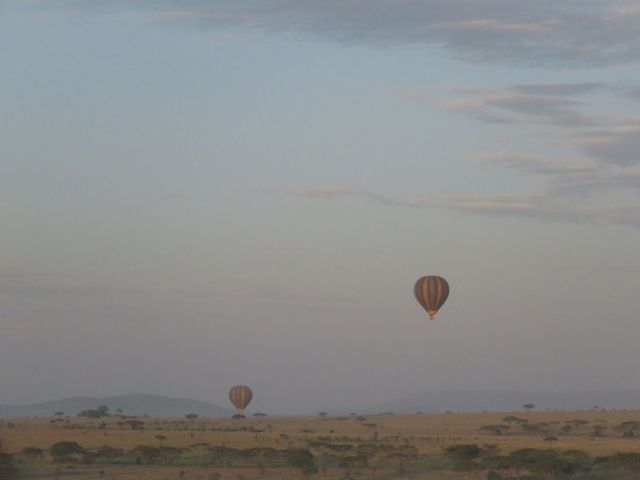
George has not popped the top of his safari truck this morning since we are in travel mode and not game drive mode. George does stop before we exit Ndutu so we can watch a hot air balloon land. The colorful balloon sits down near a line of grazing wildebeest and most of the animals ignore the colorful bag of gas.

Hot air balloon landing as we are driving out of Ndutu
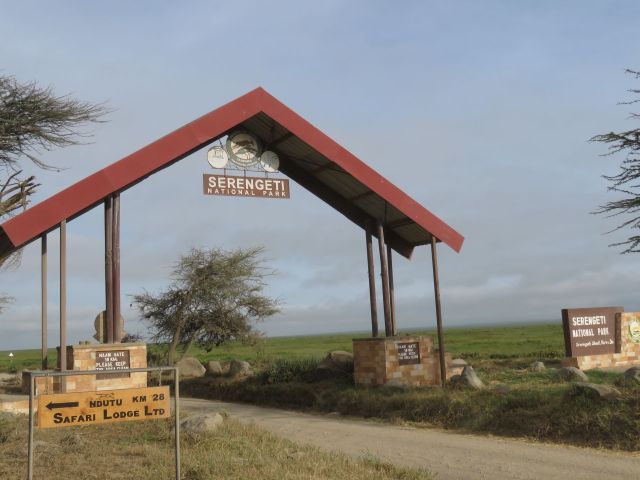
Serengeti gate and sign pointing to Ndutu

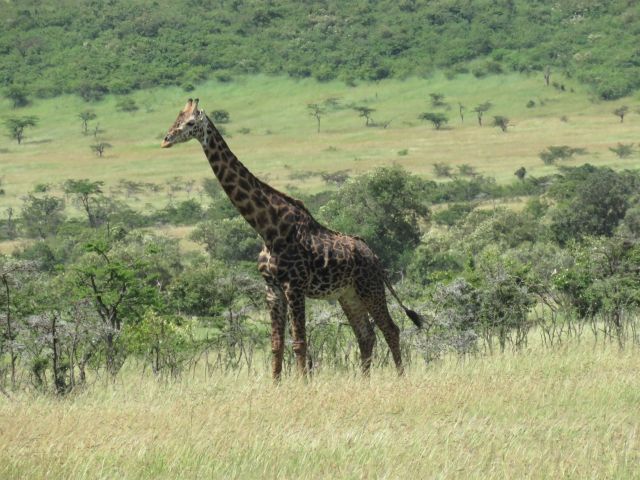
We reach the Serengeti gate and continue towards Ngorongoro Crater. There is a scattering of zebras, various antelope species and wildebeests. I ask George to stop briefly so I can take a photo of a tower of giraffes looking elegant in the morning light. We begin to see Maasai herding their cattle to grazing grounds plus the neat circles of huts that make up the Maasai bomas.

Giraffe along the road to Ngorongoro Crater
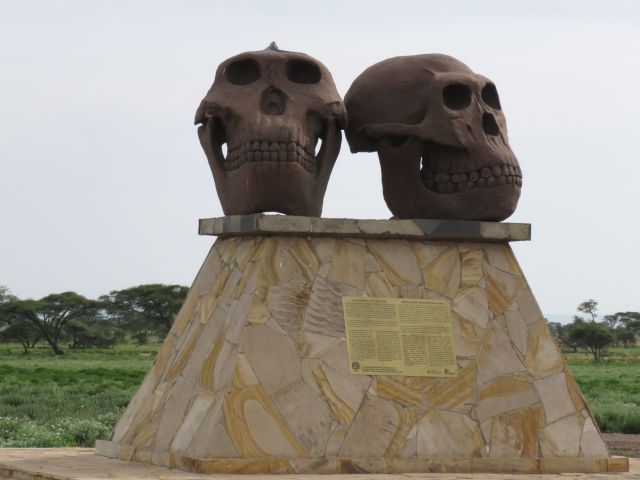
Monument for Olduvai Gorge

In some place’s there are vivid purple flowers carpeting large swaths of ground which makes for a stunning scene. Regrettably, George informs us that the flowers are an invasive species but I can’t remember where the flowering plants came from.
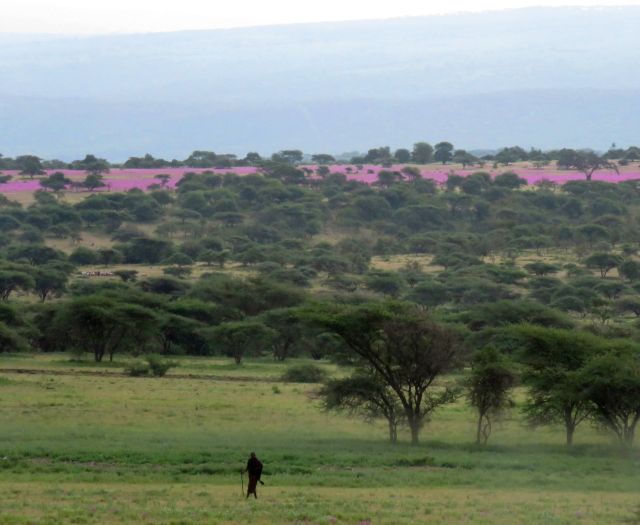
A carpet of purple blooms

Two hours after leaving Njozi we reach Ngorongoro Crater. George parks the truck and Paul and I walk over to the viewing platform and look down at the crater floor far below us. Even with binoculars it is impossible to clearly make out the wildlife at the bottom of this deep hole. Paul and I visit the restrooms before clambering back into the truck.
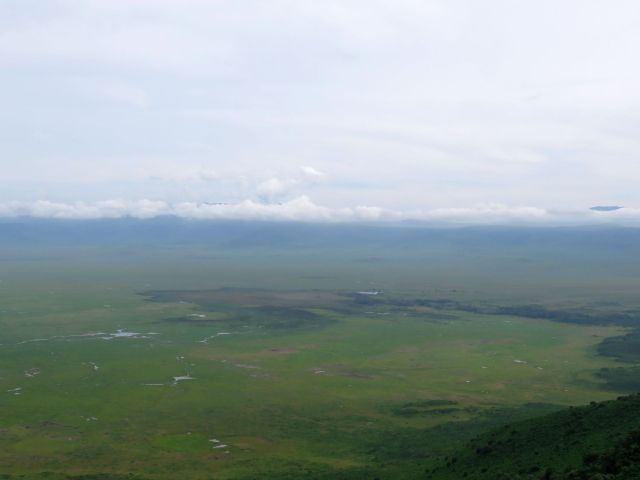
Looking down into Ngorongoro Crater

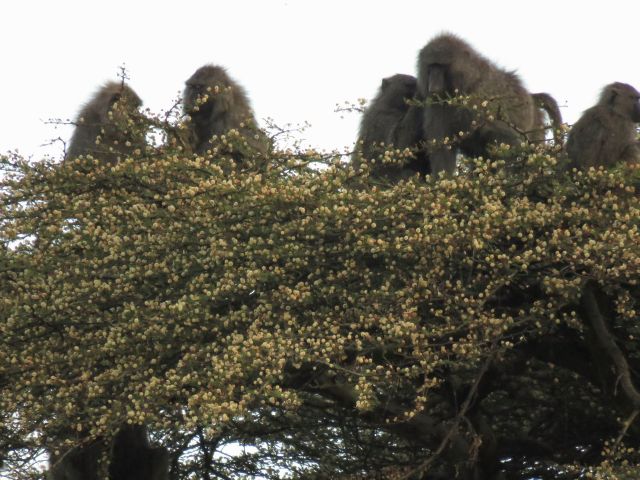
George has to stop at the Ngorongoro entrance gate in order to sign out before we can continue our journey to Arusha. As we drive away from the Ngorongoro gate a troop of baboons is walking down the middle of the highway. The primates take their sweet time moving out of our way so we can continue on. The baboons are our last wildlife sighting I am sad to say!

Baboons on the road after we left the Ngorongoro Crater entrance gate

We drive in and out of small villages with plenty of interesting scenes to take in. We also converse with George on various subjects including George asking me how I got my Swahili name. I tell him a guide in Tanzania by the name of Tumani (sp), gave me that name because I was so interested in birds. George exclaims that he knows Tumani and that now Tumani has his own business. I’ll be darned.

I’m not sure what the woman in back is carrying but that appears to be a wing spread out behind her. A chicken maybe?

Paintings for sale along the road side.

Typical overloaded cart on the blacktop road
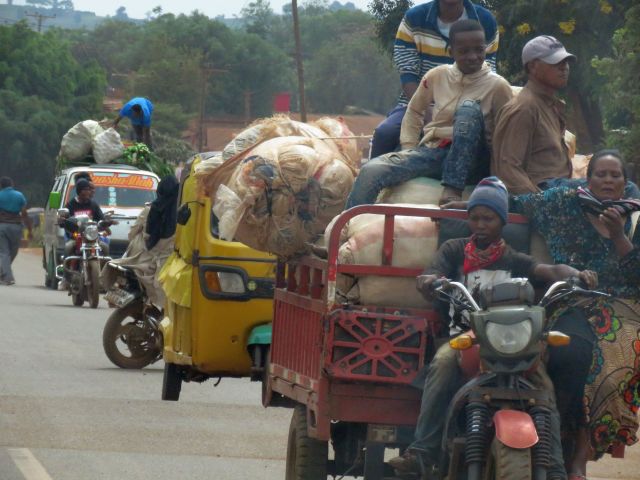
There is always room for one more!

We follow a tractor hitched to a disk and George explains that this is one of many custom workers who go around and disk up fields for villages or individuals. This practice of disking gets the fields ready for planting much faster than the old way of digging the soil up by hand or using oxen teams. It is bound to save a lot of aching backs and arms too.
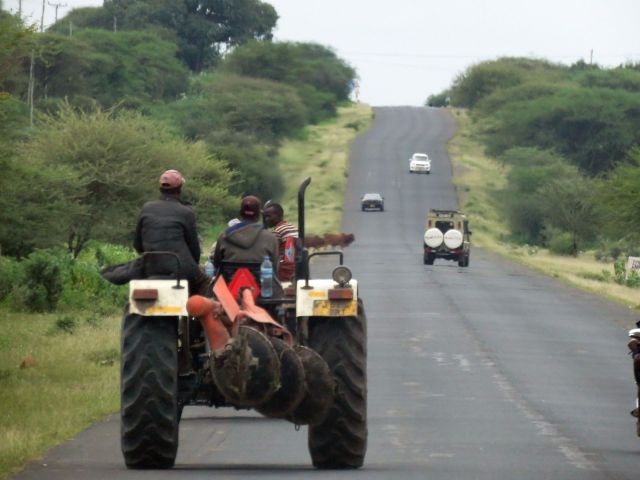
Following a custom worker’s tractor and disk.

These trees with yellow blossoms were common. Quite beautiful.

We stopped more than once to let the Maasai boys move their herds of cattle and goats across the road.

One of the most heart wrenching things I see is a woman with a baby attached to her back, walking down into a river bed where there are only potholes of muddy water. She is carrying a small plastic container and I hope I am wrong but I think she is there to dip up some of the foul water.
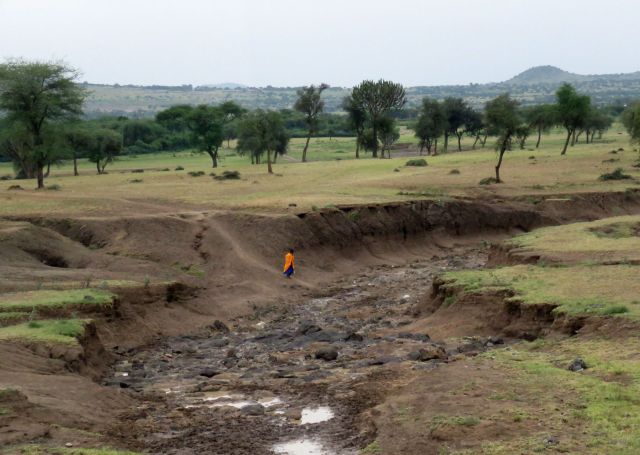
Woman with her baby walking down to the muddy pot holes in the river.
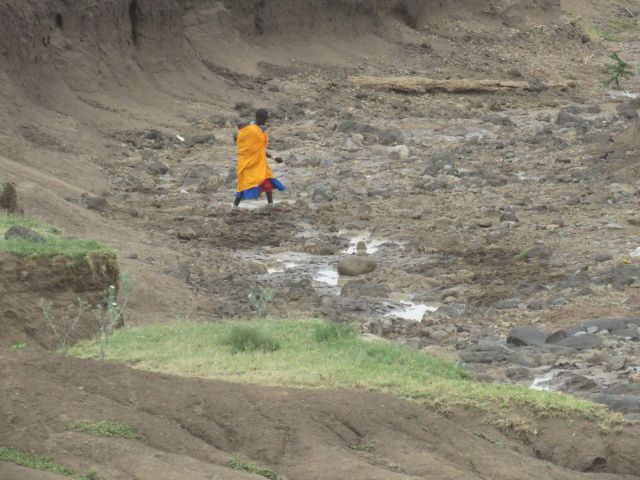
When I blew this photo up I could see a small plastic container in her hand

Seven hours later we arrive in the bustling city of Arusha. There are numerous motorcycles and they follow no traffic rules, weaving in and out of the crush of cars which irritates our low-keyed guide. George has to make a stop to get the Masai sandals he ordered for me as a gift. George had to know my shoe size so that is why he didn’t have them with the gifts he presented us at the beginning of the safari. When George returns to the truck, he is holding two pair of sandals. I assume one pair is for Paul but George says no, he ordered me a second pair because I saw the first honey badger😊. I try the on the colorful sandals at George’s request and sure enough they fit. I thank this generous man for the sandals and all the other gifts he showered on us. It wasn’t necessary nor expected but much appreciated.
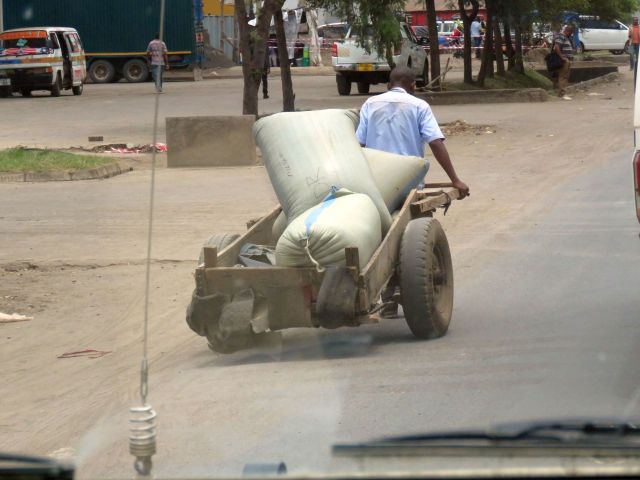
Often these two wheel carts were pulled or pushed by humans.
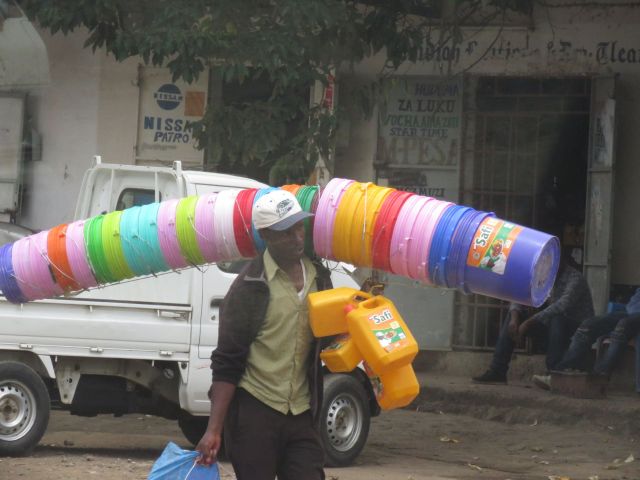
How does this man balance those buckets?
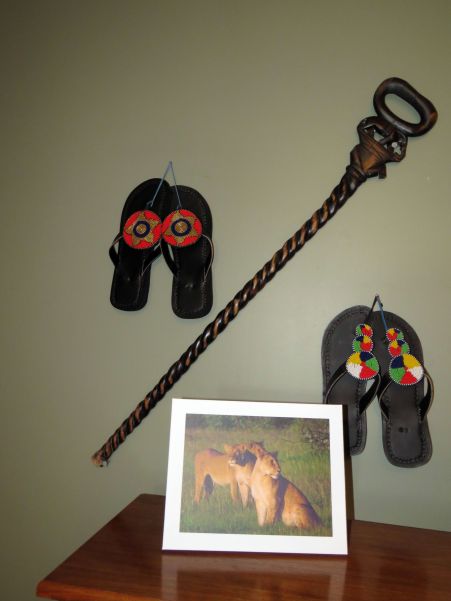
The Maasai sandals George gave to me. I made them part of my African wall display.

We arrive at the day hotel mid-afternoon, (we ate boxed lunches as we traveled that Njozi camp provided for us), and George makes sure that the hotel has a reserved room for us and plans to take us to the airport before he says goodbye. We profusely thank our guide for the wonderful experiences we had in the Serengeti and Ndutu. We hand him a thankyou card with his well-deserved tip money. As George drives away I stand at the doorway and wave at him but he doesn’t see me.  I think his thoughts have turned to seeing his wife and children who are waiting for him on the other side of Arusha.

I had to go back and get a photo of George from 2018. I can’t believe neither Paul or I took a photo of George or with George. Geez

We have our room for three hours so we shower and I repack our suitcases as our weight limit for our carryon luggage is 26 pounds each. I have a set of luggage scales and with a few things stuck in our coat pockets we manage to keep our two sets of carryon luggage around twenty-five pounds. Paul says he bets they won’t even weigh our luggage here in Africa and I bet him that they will. I lost that bet by the way!

While I was packing Paul went to use the complimentary computer the hotel provides to check in and print our boarding passes. Paul got along fine until it came to printing out the boarding passes and the office staff couldn’t figure it out either. Tenacious Paul kept trying various things to get the tickets printed and, in the end, he got it done. Once our time in the room is up, we go to the restaurant and share a pizza then wait for the shuttle to take us to the airport.

At the airport we wait in line to put our luggage through the first screening machines. Then we wait in line to check in. Once we reach the desk Paul drops my Swahili name to the woman who is helping us. The young lady starts laughing and says no she is Bibi Ndege and tells Paul he is Babu Ndege. Paul and I had wondered why several people would laugh at my name on this safari and now we know. I am too old to be Mama Ndege, I am a Bibi, translation Grandma while Babu is of course Grandpa. Hilarious. Paul again drops my Swahili name at the passport check desk and he gets the same reaction, laughter. Hey if it puts the security folks in a good mood it is worth it.
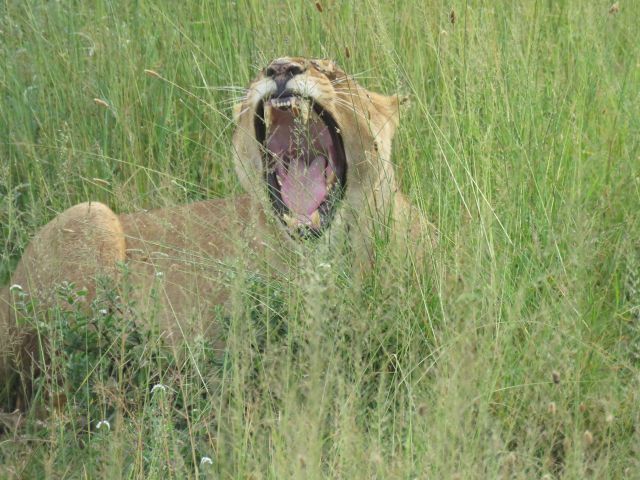
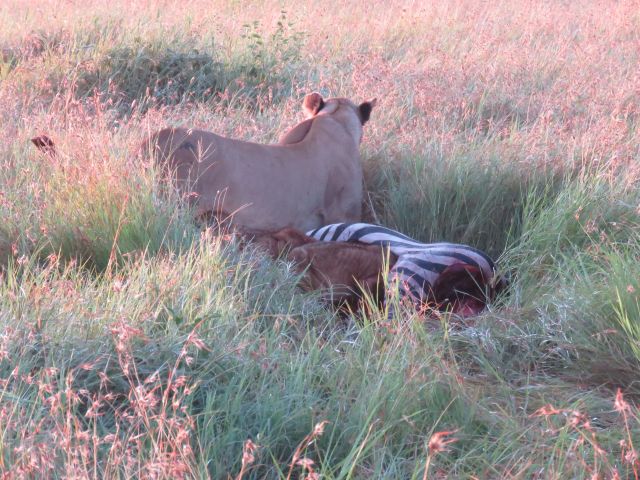
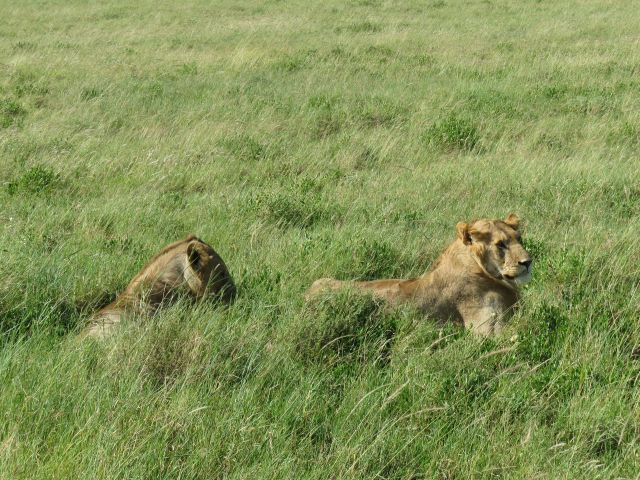
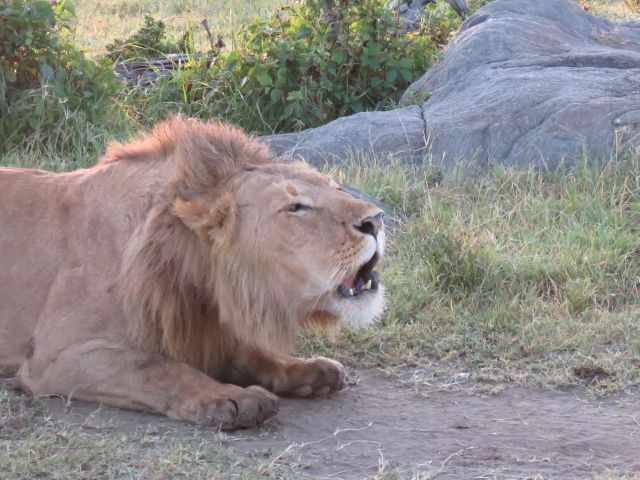
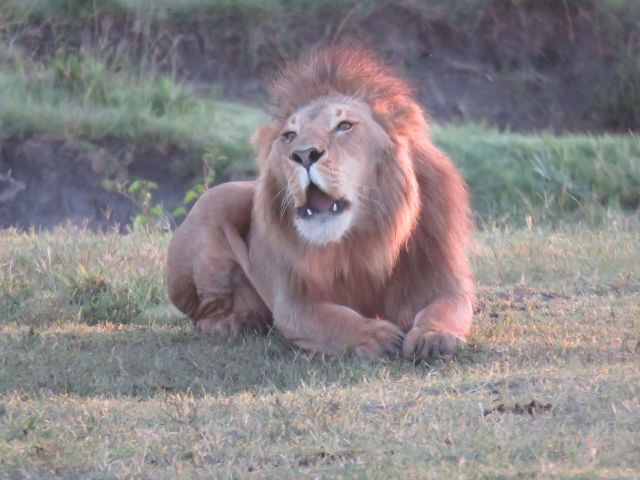
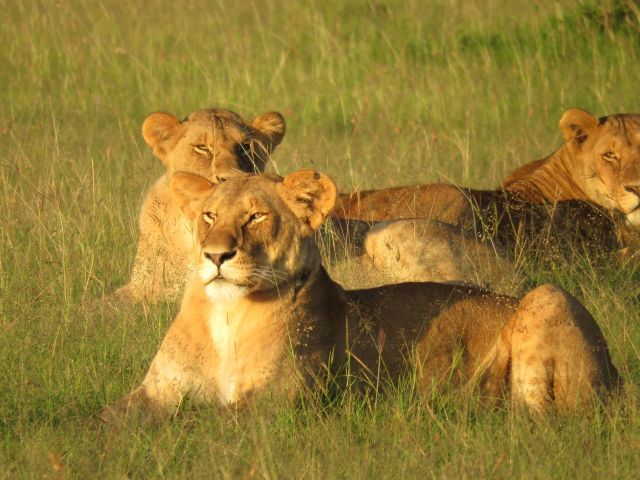
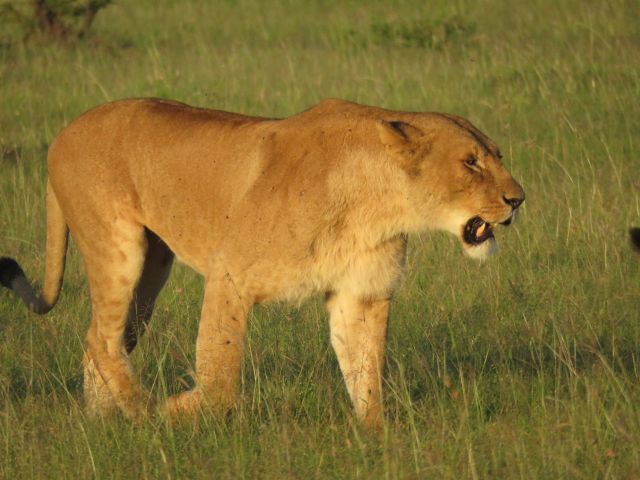
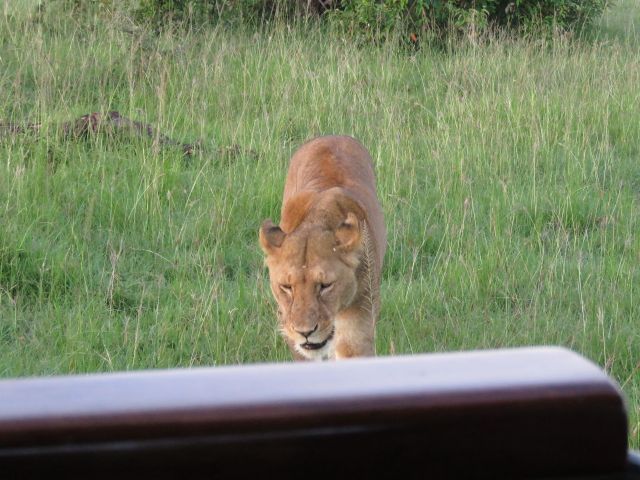
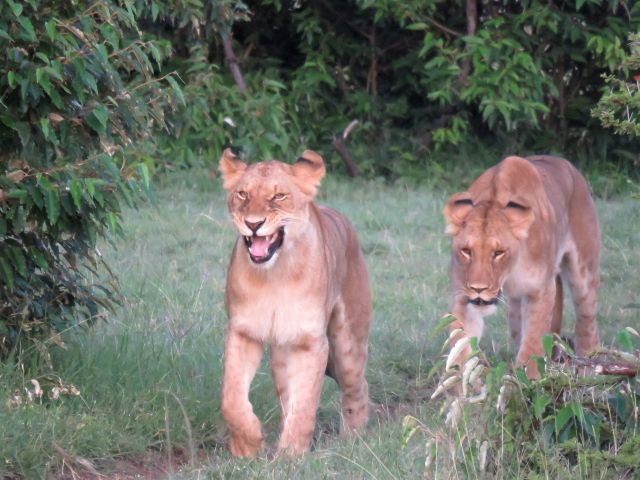
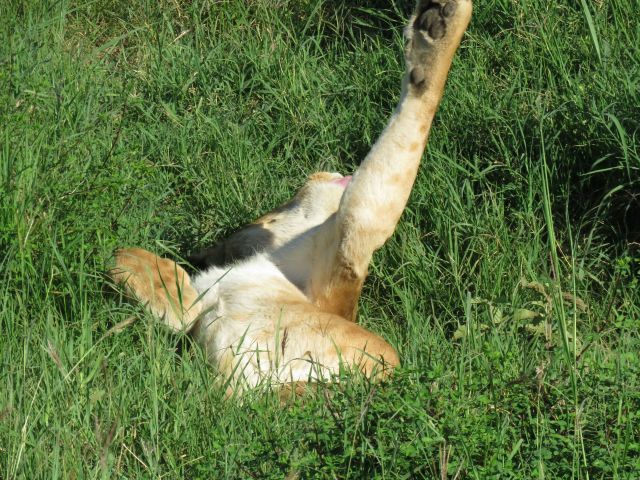
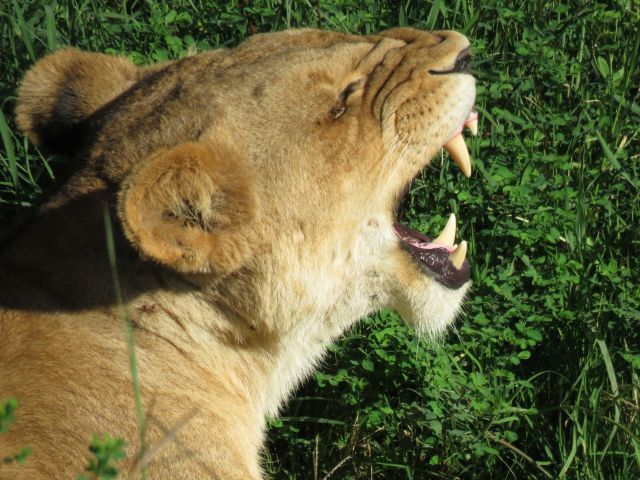
You might be yawning like this lioness through this part of the blog:)

From Arusha we fly to Dar es Salaam where we sit on the tarmac for over an hour while people got off and others boarded. From Dar it is a seven-and-a-half-hour flight to Amsterdam where we have a two-hour layover. I find a café where I buy a triple chocolate muffin and chocolate milk. I was craving chocolate to say the least and oh my gosh was that muffin delicious! We leave Amsterdam and nine hours later we arrive in Atlanta where we use our global entry card for the first time. It was so easy, no long lines to stand in and we just breeze through customs. We leave Atlanta and arrive in Kansas City and we are so tired when we get here that we spend the night in KC.

So that is the end of our adventure. We have had eight wonderful safaris to Africa but if I were to rank them, I would have to put this trip at the top of the list. The camps were incredible, our guides just fantastic, all the staff people friendly and caring, and the wildlife sightings and behavior we experienced was unbelievable.  Nancy

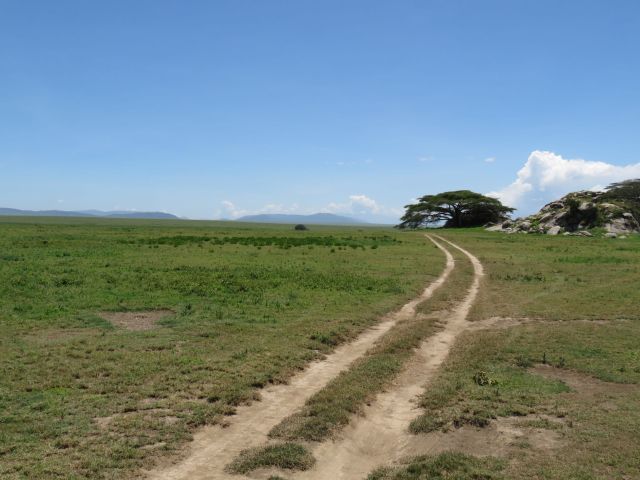
A good photo for the end of my blogs.


OUR LAST DAY IN NDUTU, BLOG 14, APRIL 15TH 2020

OUR LAST DAY IN NDUTU, BLOG 14, APRIL 15TH 2020


Paul and I are up early as usual and having breakfast at six. There is a place set for Alex but he doesn’t show up while we are eating. We thank the staff for the tasty breakfast before we leave with George for our morning game drive. Not to be redundant but we have another stunning sunrise to start the morning.

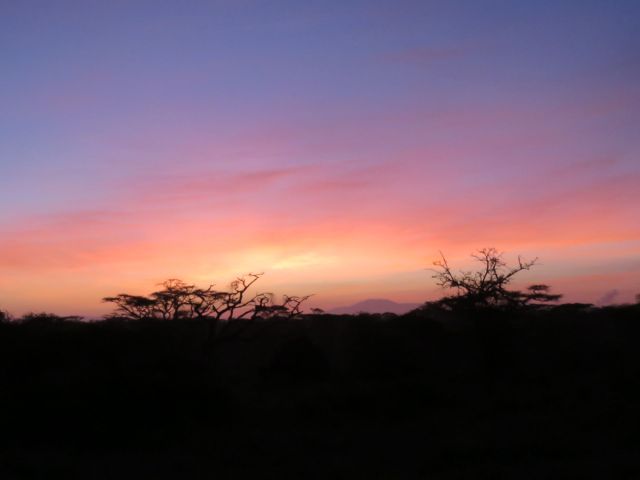
Another wonderful sunrise

George tells us as we are leaving camp that a leopard has been found in a tree near Lake Ndutu and he asks if we want to go see the big cat. He adds that every vehicle in the area will be there. Paul hesitates and then replies that since we were so fortunate to see a leopard in the Serengeti that we will pass. I totally agree, being part of a traffic jam to start the day has no appeal for me.

I’m certain that George is very happy with our decision. George then maps out his plan for our morning which is to drive to the Hidden Valley via the Big Marsh. The Hidden Valley is the beautiful vista that was spread out below us when we climbed Naabi Hill. Great, let’s go!

When we arrive at the Big Marsh, George scouts the area hoping to find the lion pride that claims the marsh as their territory but there are no big cats to be found. In fact, there is nothing here in the way of four-legged wildlife at all which is very surprising. We do see some flamingos wading in some shallow water.

A greater and lesser flamingo in the early morning light

Once we are up on the plateau it is a relief to find that we aren’t facing the high winds of yesterday, at least not yet. That means George won’t have to rescue Paul’s hat today like he did yesterday when the wind blew Paul’s hat off his head and deposited it on the ground. We are heading in the opposite direction of the colossal wildebeest herd and the road we are driving weaves in and out of the stone markers that establish Ndutu’s and Serengeti’s border. We catch a glimpse of a hyena, a smattering of wildebeest, and a pair of jackals on our journey. Right before we start our descent into the valley, we encounter a few zebras.

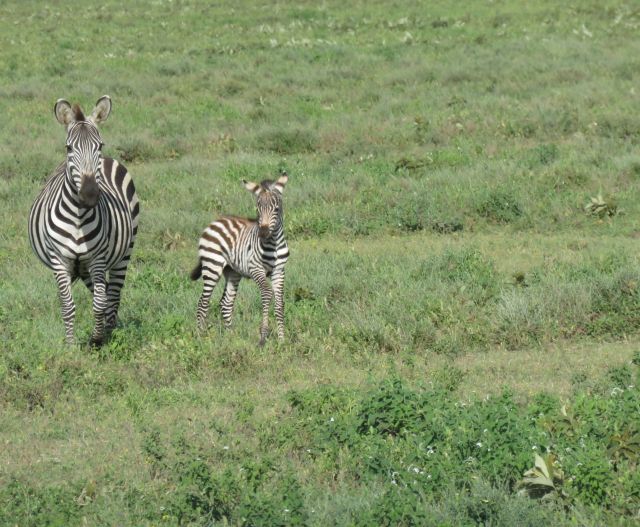
This is a zebra photo from the day before. Never took any photos of the ones we saw today. Enjoy another baby zebra

As we drop down into the valley, we find ourselves in a sea of rippling grass as high as what we encountered in the Mara Reserve. George looks over the expanse of land before us and remarks that the valley is empty. Yes it is, there is not an animal in sight for as far as we can see. Even so the lush valley is beautiful to look at. George points out the distant Naabi Hill on the horizon.

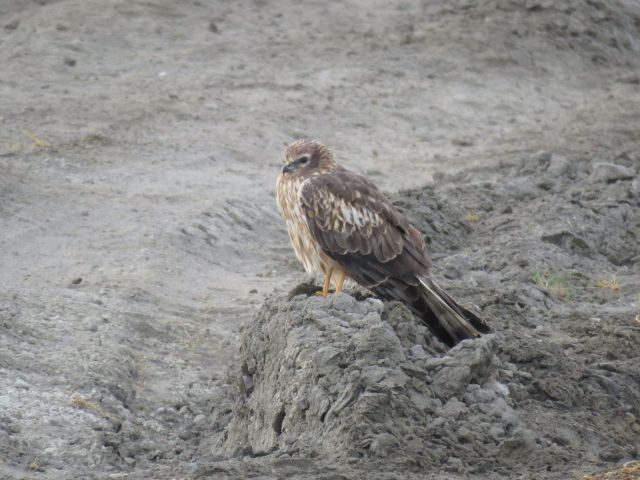
George cruises by a small lake where we can hear hippo’s grunting, sounding very much like hogs. There is raptor perched on a dirt clump ahead of us and George stops the truck. He doesn’t recognize the bird, so George consults one of his bird books where he and I go over the obvious markings. Leg color, beak color, eye color, pattern on chest, tail, etc. We are fairly sure it is a harrier but can’t make a positive id as nothing completely fits the patient bird. George grabs another bird book and I look through the first one again. We both shake our head in frustration and agree that it must be an immature harrier but we are unable to get beyond that. I take a few photos of the young raptor and when I get home, I will examine my East African bird book, which is different than the guides George owns.
Our mystery raptor. I think it is an immature African Harrier Hawk

As we are leaving the valley, we notice a lone safari vehicle across a ravine from us. Using our binoculars, we can see that the occupants of the vehicle are watching a male lion resting in the grass. George begins to pick his way across the big ditch as another vehicle farther down from us is attempting to do the same. I’m sure the people who found the lion are mumbling about the interlopers coming to join them😊.

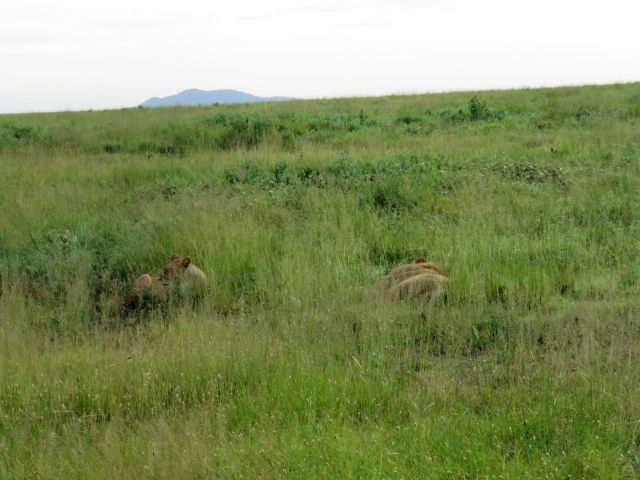
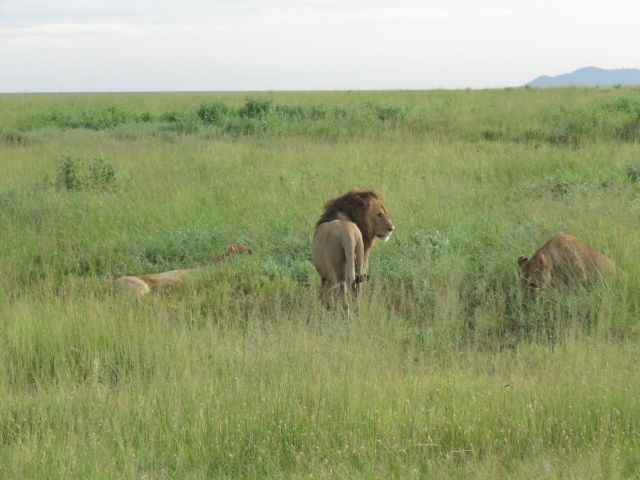
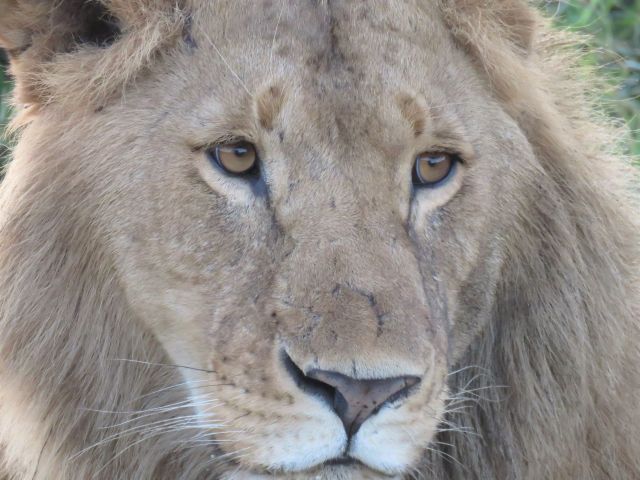
When we arrive, we see that there are two male lions and a female lion. Hmm. The handsome dark-maned male is lying near the lioness who is curled up like a housecat, while the old (his nose is completely black), scruffy fellow is a few paces away from the pair. Occasionally the old lion lifts his head and sniffs the air, probably smelling the scent of the female. The timeworn cat occasionally coughs which makes us wonder if he is sick although he does groom himself which is a good sign. David and Useph had told us that there have been three male lions succumb to a disease recently and themselves and other researchers plus veterinarians haven’t identified the sickness. I don’t think all the lions that died due to the unidentified disease were in Ndutu.

Lion and lioness that must be mating partners

Old lion sniffing the air

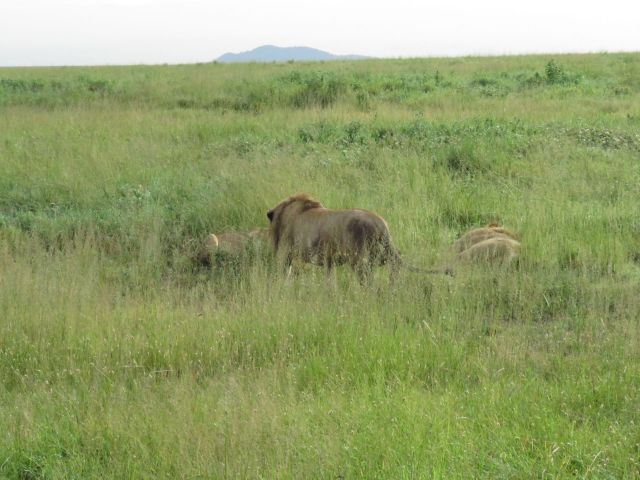
The dark-maned male collapses onto his side and soon he is sound asleep. Gramps scrutinizes his fellow lion and then rises to his feet. The old lion takes one step closer, peering again at the sleeping male, than takes another quiet step. I am taking photos and whisper to Paul and George that I think we may see a fight. We watch the older cat literally creep in slow motion towards the female. The stealthy lion has to walk behind the zonked-out lion but the youngster doesn’t wake up.

The chosen male sound asleep. The mound on the horizon is Naaibi Hill

The old fellow tiptoeing towards the female

He bypasses the young male without awakening him

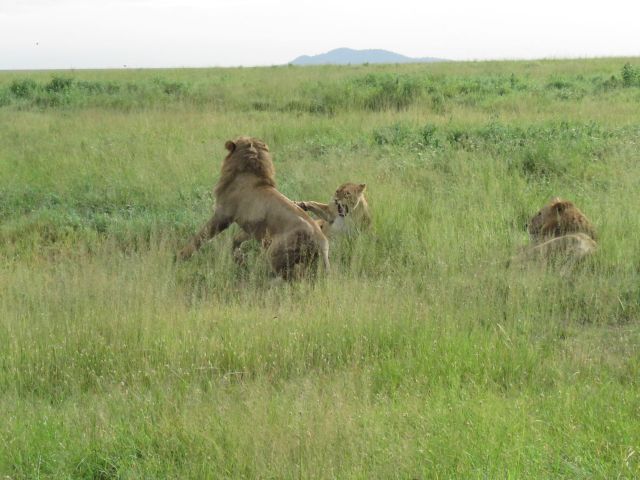
Just as the cheeky lion reaches the sleeping lioness she wakes up, snarls loudly and strikes out at the unwelcome visitor. This brings her slumbering male immediately to his feet. One look from the dominant lion is all it takes for the thwarted male to back away. The alpha male walks between the female, who is still crouched down and snarling, and the elderly lion. The old cat immediately flops on his side in submission. The dominant male looks the situation over and then proceeds to lay back down keeping himself between the two cats. Although the lioness didn’t find this funny at all, we couldn’t help laughing at the image of the elderly lion silently tiptoeing through the turf towards the lioness.

The lioness striking out at the rascal

The young male giving his buddy a stern look

I think the lioness is giving her mate a chewing out

Is that a smile on the dominate males face?

Both males go to sleep as the female still keeps an eye on them

Since the lions have now settled down and are sleeping, we proceed to leave the valley. George returns to the migrating wildebeests taking us to the far side of the bog. Our guide wanders here and there stopping to scope for the cheetah that was supposed to be here yesterday. There are a few vehicles ahead of us and George studies them and quietly says “I guess we will be scavengers and see what they have found” which we find quite a telling statement! When a vehicle is sitting still, other vehicles swarm towards them like hyenas or vultures. I love it!

Just as we are moving towards the cluster of trucks, another guide pulls up next to us and George stops to chat with him. When the man pulls away, George begins to laugh as he tells us the vehicles ahead were checking out why one truck was sitting in that area. Come to find out the safarists were just taking a break. The man that drove over to us had noticed George using his binoculars and though we were watching an animal. Scavengers indeed. Hilarious!

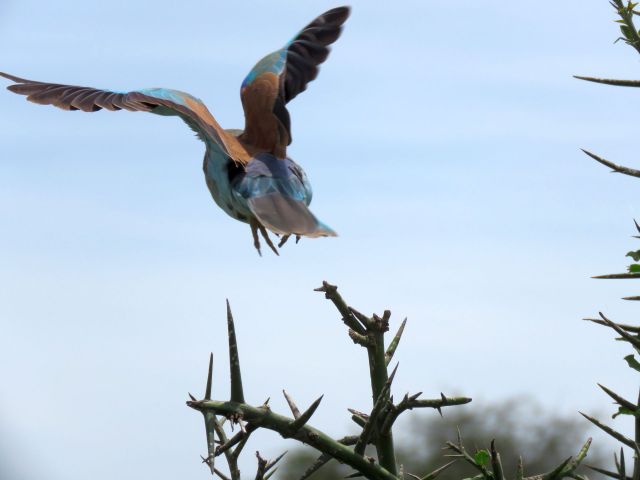
European roller taking off.

George drives on and stops to talk to another guide who delivers the news that there are cheetahs in the Twin Peaks area. We can see the aptly named hill on the horizon where Ngorongoro crater provides a backdrop to it. Driving the road that leads to the Twin peaks region we come upon places where zebra and wildebeest are lying on the road. The comfortable animals reluctantly stand up and move off the road to let us pass. George tells us that the dung beetles will soon be busy making dung balls with all the material these animals are leaving for them when they get on their feet!

All the wildlife that is standing or lying in the road. Forgive all the glare from the windsheild.

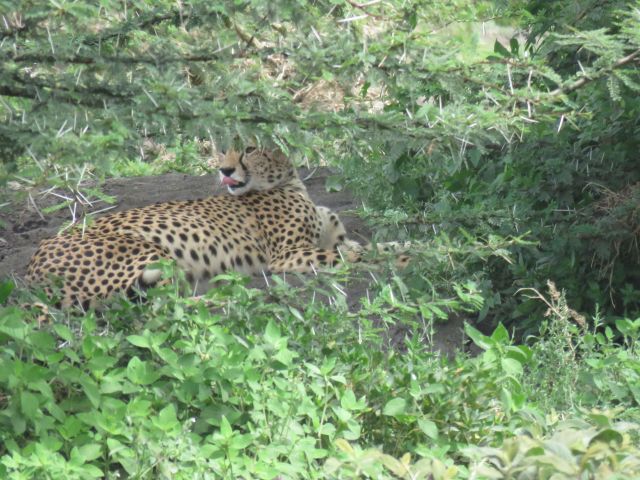
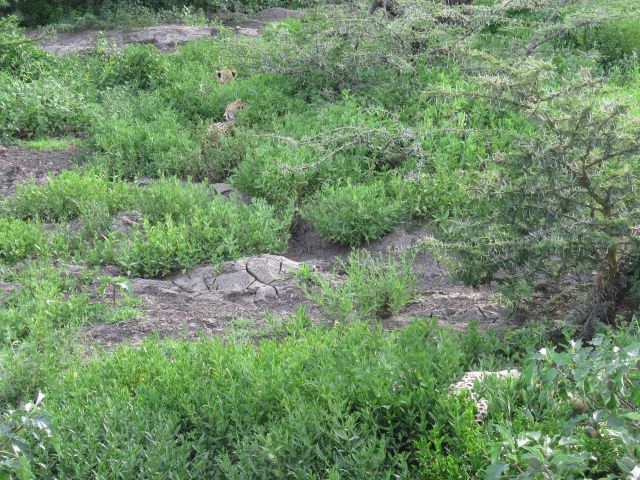
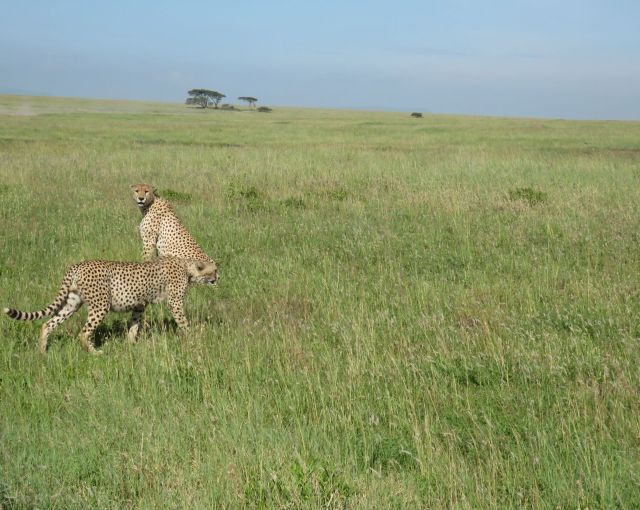
On our arrival at Twin Peaks we see two separate groups of vehicles. The band of trucks closest to us are cruising along the edge of a small ravine. George crosses the gulley and we catch a glimpse of a cheetah on the move. We then see another cheetah but Paul insists that there are three felines. George states it must be the three brothers that are seen here on occasion. It takes some creative driving by George before I finally see that indeed there are three cheetahs although we never get a very clear look at them. Because there are so many trucks jockeying for position trying to get a look at the trio of cheetahs, we vacate the premises and decide to go see what the smaller group of vehicles have found. Surely it can’t be more cheetah as the other trucks are no more than an eighth of a mile away. Hey, twenty-one different cheetahs since we have been with George!

One of the three cheetahs that keep to the cover of the bushes

That is the clearest look we get of the three “brothers”

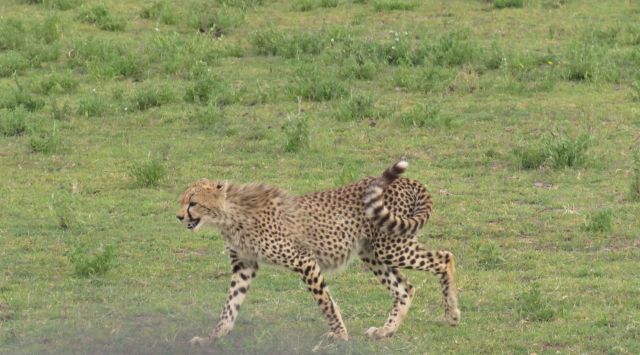
There are only four vehicles at our next stop and George and Paul spot the mother and cub cheetahs as they are sauntering along near the trucks. We are two cheetahs away from the goal George and Paul have set. Unbelievable. Mom and cub approach a whistling thorn shrub and stop in the thin line of shade the scrawny bush is producing. George tells us that the mother is hungry and is looking to hunt but there are no impalas nearby, the closest impalas can hardly be seen with the naked eye. The mother sits down next to the cub who has already laid down. We continue to watch the pair but then mama cheetah lays down plus there is a stream of trucks coming our way so we decide to head back to Njozi camp.

A gorgeous cheetah and her young cub

Mom and cub laying in the thin slice of shade

As we drive back through the section where the three brothers were, we see that they are on the move. One of the three is very skittish and runs for cover when a vehicle comes to close. George appraises the situation and decides to move over to the other side of the line of trees the cheetahs have disappeared into. There are zebras and impalas over here so we sit and wait since George thinks the cheetahs will come to us.

The trio of cheetahs on the move. Well to of them are on the move, the other can barely be seen laying under the two trees to the left

In time there are several zebras that start walking toward the tree lined ravine and it appears they want to go to water. Suddenly the lead zebra becomes very alert and is staring into the heavy foliage and soon other zebras adapt the same alert posture. The striped denizens all stop their forward motion and retreat back to the open field. We continue to wait in anticipation but if what spooked the zebra were the cheetahs, they don’t show themselves to us.

I’m cheating again, for some reason I took no photos of the zebras on alert. This is a filler photo

Driving back through the area where all the wildebeest and zebra were lying on the road, we again have to wait for the animals to rise to their feet and move out of the way. George draws our attention to the movement of balls of dung everywhere! George tries to dodge the busy dung beetles as best as he can but it is next to impossible. I don’t see how the beetles don’t get crushed by all the animal hooves that tramp up and down the road as well. Well, I’m sure many beetles do die but since there are numerous beetles to be seen obviously some of the bugs are successful at bringing the next generation into the world.

We are late getting back to Njozi for lunch but boy did we have a good excuse. Five new cheetahs and twenty-three cheetahs total. The staff has a tasty lunch waiting for us consisting of meatballs and Chinese rice with carrots and green beans. When we return to our tent, we see a Marabou Stork land in a dead tree that stands next to one of our neighboring tents. The large bird appears very awkward as he perches on the lifeless limb.

Marabou Stork perched in dead tree in camp

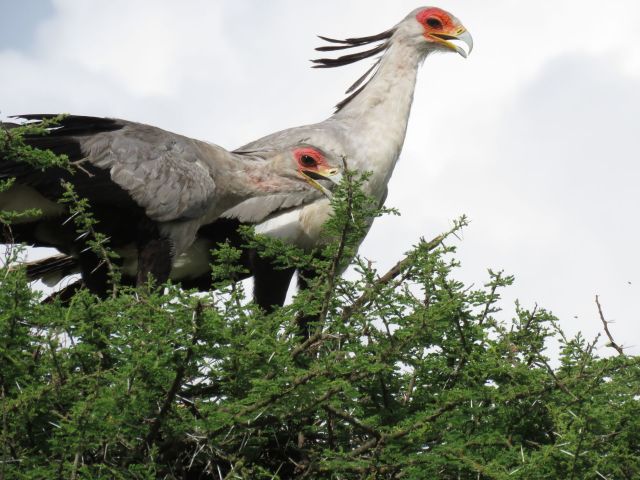
George sets our departure for our afternoon game drive at four o’clock instead of four-thirty since he wants to return to Twin Peaks which is over an hour’s drive away. We end up leaving at ten to four since George, Paul and I end up going to the dining tent early. George drives at a fast clip in order to reach the Twin Peaks area as quickly as possible. We do stop to admire a pair of Secretary Birds that are atop a tree and cooperate for a photo op by not flying away.

Secretary birds, normally you see them striding along on the ground.

When we reach Twin Peaks it is déjà vu all over again only with less vehicles. There are a trio of vehicles close to where we first saw the three brothers this morning. There is one lone vehicle in the region where we enjoyed watching the mother and cub. George asks what we want to do and since we are closest to the three vehicles we decide to go there first. George was told that people had seen a mother and two cubs at Twin Peaks today and since we had witnessed the three brothers moving on this morning, we are hoping this is the mother and cubs.

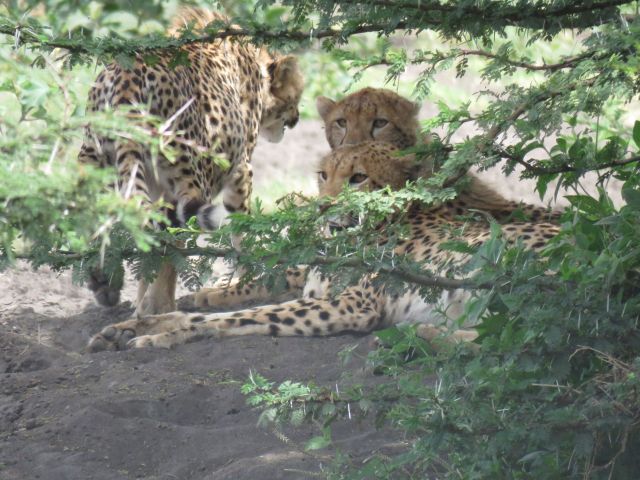
When we arrive at the sighting spot, two vehicles move away leaving us with a good view of the cheetahs. It is a mother and two nearly full-grown cubs. We are elated, this makes twenty-six cheetahs! Our elation is short lived when George says, no, these are the same cheetahs that we saw this morning. He adds that he mistook them for the three brothers that are known to frequent this territory. I am not completely convinced they are the same cheetahs. I will grant that we did not get a close up view of the cheetahs except when they were on the move and then they were a long way away from us. Later, when comparing my photos from this morning and this evening it is obvious that these are the same cheetahs. How could I have had a smidgeon of doubt with George’s statement, a man who definitely knows cheetahs! Well darn, we are back to twenty-three cheetah.

Mother and two cubs. They are the same cheetahs we saw this morning that we thought were three brothers

We don’t spend much time with the trio of cats as the other vehicle has some annoying people in it who are loudly grousing at their guide that they can’t see the cheetahs well enough. Good grief, the cats are hiding in the tall grass so what is the poor man supposed to do, drive the truck at them to make them get up. Sigh…

Mom and one of the two cubs

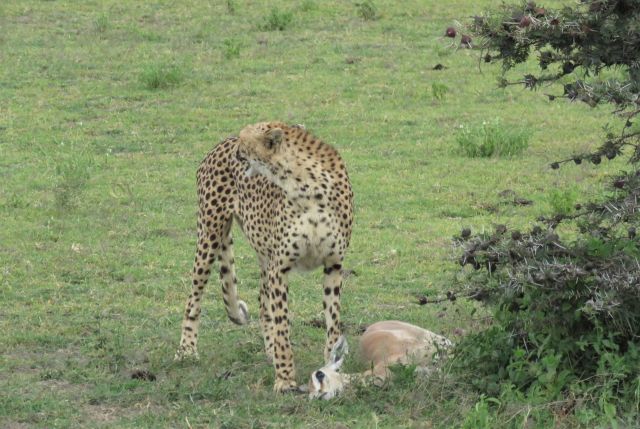
George begins driving towards the lone truck a quarter mile away. We are about halfway there when the truck starts moving and makes a sudden U-turn and speeds up. I call out that the cheetah must be making a kill but George has already hit the gas. We arrive at the scene to see the last feeble kicks of the full-grown impala as the mother cheetah clamps down on the poor beast’s throat. We missed the actual chase by a couple of minutes!

Cheetah finishing the job of killing the impala

Paul is very disappointed but I have mixed feelings about failing to see the whole show. I am getting a bit more soft-hearted in my old age, I guess. The mother cheetah waits until there is no light of life left in the impalas’ eyes then she begins the arduous task of pulling the carcass towards a thorn bush in hopes of hiding her kill from other predators. The cub who was waiting in the wings begins walking towards his mother and dinner.

Dragging the carcass behind the thorn bush

Junior coming for dinner

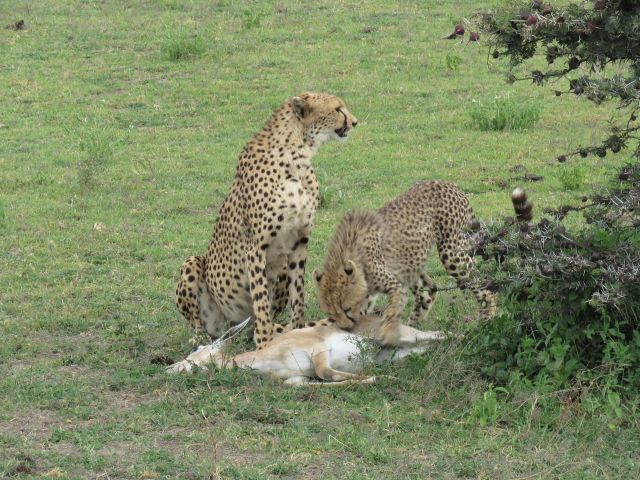
The successful hunter finally reaches the bush and drops the dead impala to the ground. The youngster waltz’s in and pretends to kill the impala all over again, that is how they learn I suppose. The exhausted mother lays down while the cub moves to the rear end of the impala and before long is heartily eating. We stay with the cheetahs for thirty minutes in which time the adult never takes a bite out of the impala. The cub eats for ten minutes or so and then he disappears behind the spikey bush and lays down. There are more vehicles arriving all the time and we have a long drive back to camp so we leave the huntress and cub and start back to Njozi.

Mission accomplished

Cub playing with carcass

Huntress taking a well deserved rest while the cub dines on the impala

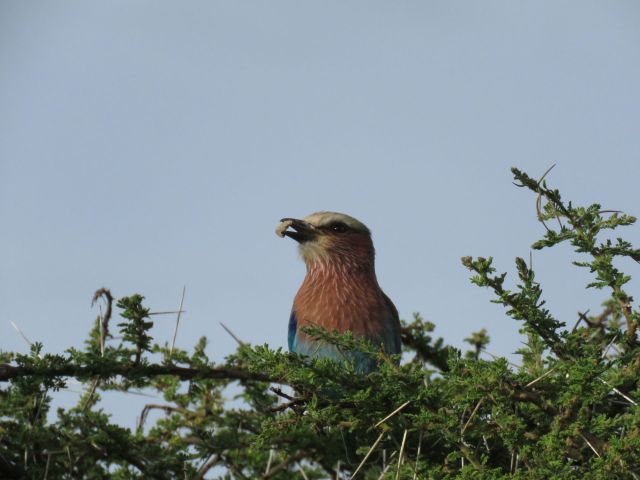
George begins berating himself for not going directly to the mother with the single cub because then we would have seen the whole hunting scenario. Paul tells him not to blame himself as it was our decision to check out the trio of cheetahs first. George still voices his regrets and I point out to him that if we hadn’t left camp ten minutes early, we would have missed everything. I think Paul and I finally convince him that there is no sense lamenting what can’t be changed. We enjoy the late evening drive home where the vultures are already roosting in the treetops. George stops the truck to look at a Lilac-breasted Roller who is holding a small pebble in his beak. How in the world did this amazing man see a bird with a rock in its bill while driving down the road? Paul informs George that he has decided to include the two cheetah we saw in Kenya to the twenty-three cheetah we saw in Tanzania which equals a total of twenty-five of the gorgeous felines. I’m not sure George approves of this change in the rules but he nods his head in agreement. Nancy

Vultures settling in for the night.

Lilac-breasted roller with pebble in its beak.


ANOTHER DAY IN NDUTU, BLOG 13, APRIL 11TH 2020

ANOTHER DAY IN NDUTU, BLOG 13, APRIL 10TH 2020

A nice start to the day


We have another gorgeous sunrise to enjoy after eating our hot breakfast of bacon, sausage, crepes, and eggs this morning. George picks us up at the usual time of 6:30 and he informs us that today we return to the wildebeest herd but we will go to the other side of the marsh. We drove along the edge of the marsh yesterday while inspecting the wildebeest, however there was no place to cross the spongy ground in that area. One of the reasons George wants to go to the other side is that he heard through the grapevine, well guidevine, that a cheetah was seen in that part of Ndutu yesterday. Might as well try for number nineteen.

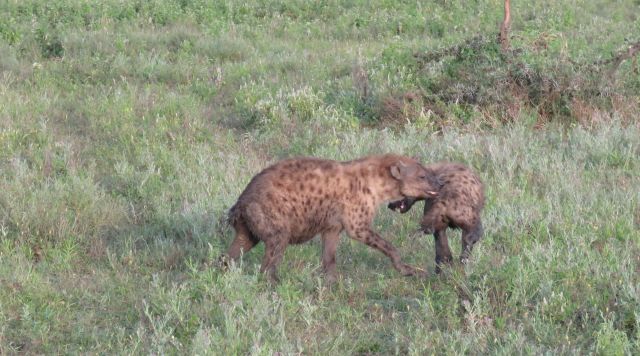
Before we reach the wetland, we stop to watch a pair of hyenas engaging in play. I would guess this is a mother and a nearly full-grown pup that are chasing and nipping at each other. The two run out of steam fairly quickly and shuffle away from us into the grass.

Hyena having fun

Hyena nipping and chasing one another

Once we reach the marsh George drives along the edge of the boggy ground until he finds the solid-bottom crossing near a small waterhole. It is only a few bumpy yards to the other side of the marsh. Of course, the wildebeest and other wildlife can cross the swamp any place they want as they don’t have to worry about getting mired down in the mud.

Another sweet baby zebra

We investigate the wildebeest on this side of the bog for cows giving birth driving slowly through the herd’s midst. At one point George has parked the truck and I notice a male wildebeest charge a calf that is lying down making it jump to its feet. The male begins chasing the poor calf and a couple other wildebeest join in, (one might be the calf’s mother). The big bull dashes after the baby who runs quite a distance trying to escape this knucklehead.  I have no idea what instigated the bull to torment the calf, probably it is just boredom and orneriness.  I noticed this same behavior yesterday of males chasing after little calves. It ticked me off then and it ticks me off today but my feelings don’t change a thing. The wildebeest finally stops his pursuit of the hapless calf and walks away.

On our search for a calving wildebeest, we do find a few calves that are very new but are already up and stumbling around. George drives towards one pair where the calf is dripping wet and just attempting to get up, man we couldn’t have missed its birth by more than a few minutes. I caution our guide to not drive too close to the pair in case our intrusion would interfere with the mother bonding with her calf. George begins to drive away as I am still observing the pair. The mother can’t seem to make up her mind about the calf and a couple of times turns as if to walk away. I speak out loud and tell the cow several times “don’t leave, don’t leave”. George thinks I am talking to him and brings the truck to a halt. The poor man looks completely confused because I had just instructed him, we should leave the wildebeest pair alone. I explain to him that I was talking to the mother wildebeest and not him, which makes him laugh.

New mother I was begging not to leave her calf

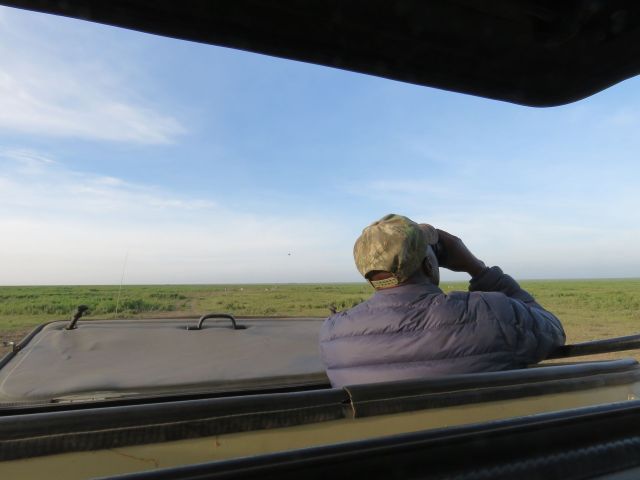
George using his binoculars to look for the cheetah

George covers a lot of ground in search of the cheetah and while on this mission we always find other interesting things to survey. One of the things of beauty we see isn’t an animal at all but an exquisite acacia tree. For some reason I fall in love with this tree and the proof of my enthusiasm for the acacia tree is evident when I see all the photos I took of the beautiful tree.  At one point on our tour there is a Bateleur eagle sitting on the ground who seems to have no objection to us stopping to snap a photo of him. We observe a zebra stallion pursuing a mare. It is obvious that thoughts of mating are on the stallion’s mind but the zebra mare wants nothing to do with him. At one point when the stallion tries to mount the tiring female, she kicks out with both back legs and lands a sharp blow to the side of the stallions’ head. That seems to cool off the overzealous stallion at least for the moment.

The acacia I dubbed as perfect despite the big rift in its trunk

Bateleur eagle posing for us

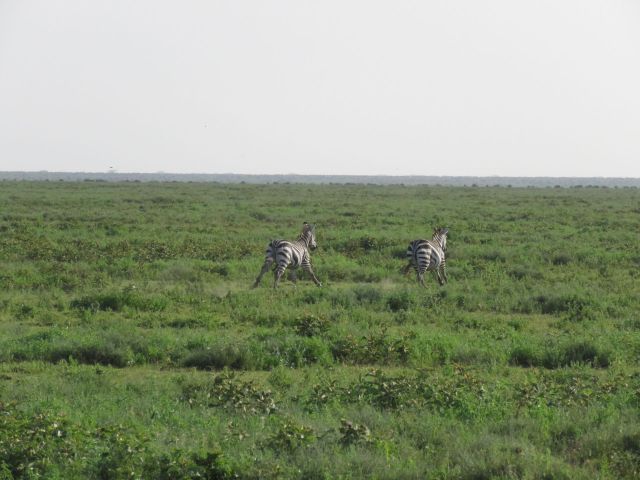
Zebra stallion chasing the unwilling mare

It was breezy shortly after we reached the plains this morning but now the wind is really blowing, and occasionally the truck shudders when the wind catches us broadside. The dust the safari vehicles kick up when we are on a road gets blown into our vehicle if we are close to them. George tries to avoid the dust clouds by moving off the road into the bush when vehicles approach which helps some but the invasive dirt still manages to find us. At times we see dust devils swirling over the plains. Paul remembers that he has a bandana in our pack and now when we meet another vehicle, I hold the cloth over my nose and mouth which helps keep the gritty dirt out of my lungs. The wind reminds us of the Kansas gales that are too common, but we would have preferred not to have experienced this blustery wind in Ndutu.

This baby zebra had deformed back legs. It could hardly walk let alone run. How it has survived this far is a miracle.

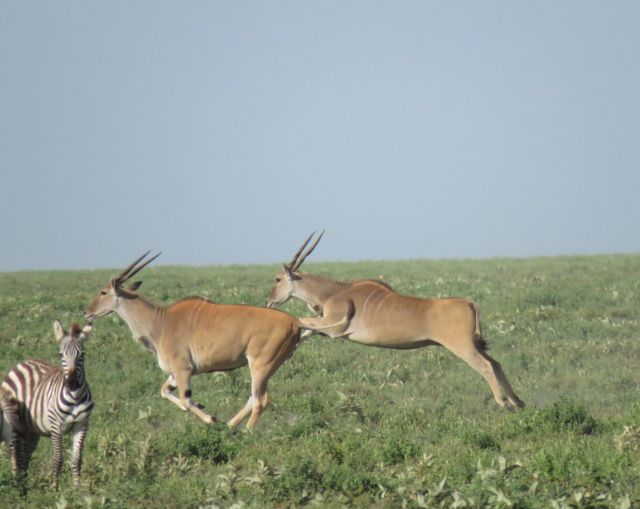
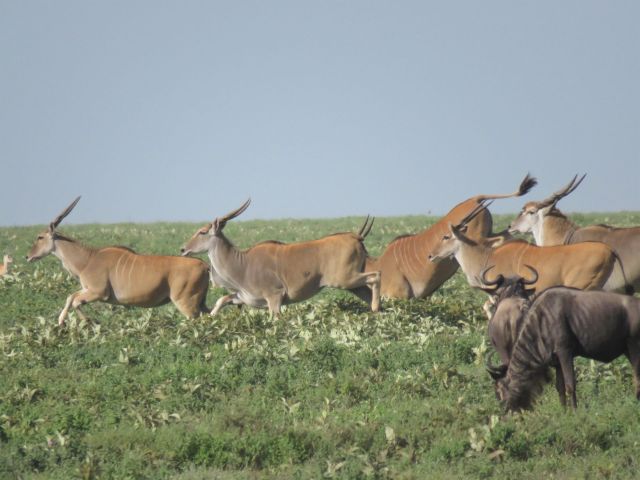
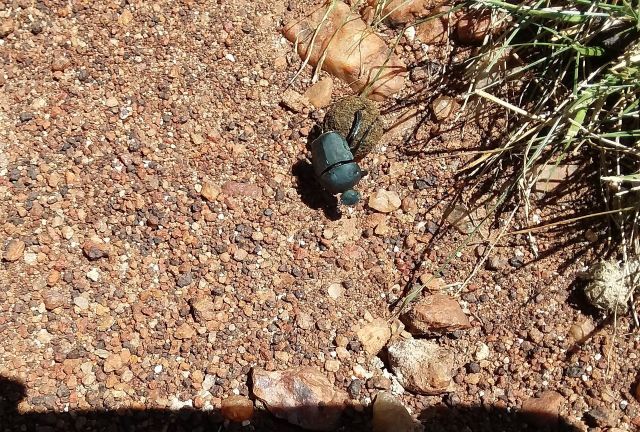
We still haven’t found that elusive cheetah but a few elands put on a wonderful show for us as they playfully run and leap into the air. Now that is beautiful. Another display that brings our truck to a stop is a dung beetle who is rolling an enormous ball of dung over the rough ground. George points out the female who is following the hard-working male. George tells us that the female will climb onto the dung ball occasionally. I can’t remember if this is to show the male that she accepts him as a mate, or if the female dung beetle is just giving the male encouragement. Nevertheless, it is quite a spectacle to see this bug rolling a sphere ten times as big as he is. The purpose of the dung ball is a medium for the female to lay her eggs in. When the larvae hatch, they consume the dung for their first meal. This nearly perfect orb the beetle constructed really is amazing despite the substance that it is made of!

Elands having fun

Yipee. See the dust devil on the horizon?

A couple more eland join the fun

How did that small beetle construct this huge dung ball? A part of the female can be seen following her mate

George gives up on finding the cheetah and turns back towards Njozi camp. We have to drive near my “perfect” tree on our way to the crossing. There is a mass of wildebeest and a few zebras spread out around the acacia tree which makes for an iconic African scene.

Iconic African scene

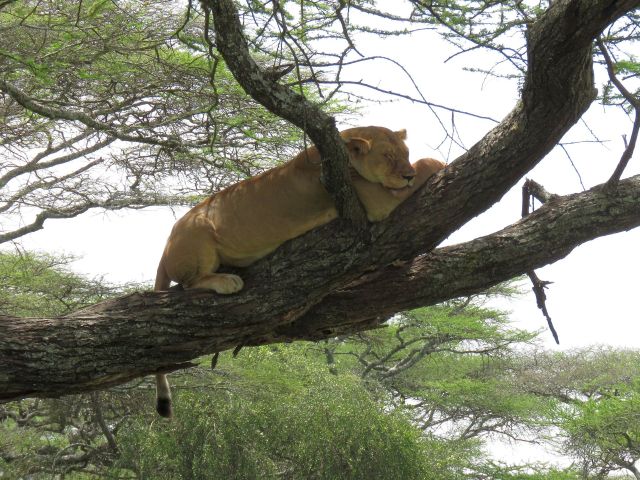
As we near our turn off to the camp there is a few trucks under the tree where Babs the lioness was perched yesterday. We join the sightseers and are happy to see the tawny beauty in a much more comfortable position today. She is lying flat upon a thick, sturdy limb and is sound asleep. We stay with Babs for awhile and other than shifting her position a time or two, she never really wakes up.

Babs looks so much more comfortable today

Using her leg as a pillow

Another guest has arrived in Njozi camp and Alex joins us for lunch. One of the first things Alex says to us is “you must be the people who saw the honey badgers”. It is nice to be semi famous even if it is only for a few days! The young man is a writer and is here penning an article on the Big Cat Research project, at least this is what we understood. It seems he travels internationally writing pieces on wildlife and I think he particularly writes about big cats. I do know this; Alex often uses words which I have no idea what they mean so I have to sort their meaning out using the context of his sentence. Whoa.

Paul and I take a short nap after lunch, the wind and the dirt took a toll on us so we can’t imagine how tired George must be. After naptime we sit in front of our tent and relax while reading, journaling and enjoying the solitude. Oddly enough there are hardly any birds to watch today. Paul and I do walk around the camp although it is hot so we don’t walk for too long.

The view in front of our tent makes us feel like we are sitting in the middle of the bush.

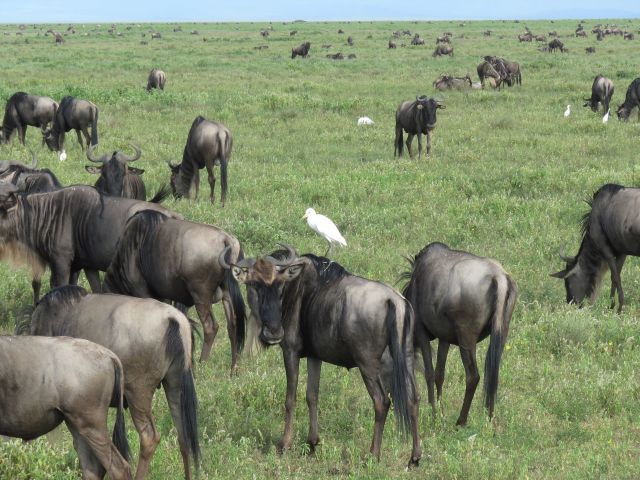
George arrives at four and he wants to go back to the part of Ndutu where we saw the tongue-injured cheetah yesterday. It is a long trek to the place where we encountered the spotted cat and some parts of the park we drive through are fairly empty of wildlife. One good thing is that the wind has died down.  When we arrive at our destination there is not another vehicle around. There are thousands of wildebeest speckling the plains but our cheetah search proves to be futile. I hope this means she has moved to a location that isn’t infested with hyena. We take time to sit and watch the placid herd of wildebeest. There are cattle egrets hitching rides on the wildebeest backs or shadowing them as the animals are walking, snatching up insects that are startled into flying to avoid the wildebeest’s hooves.

An African hare sitting in the open.

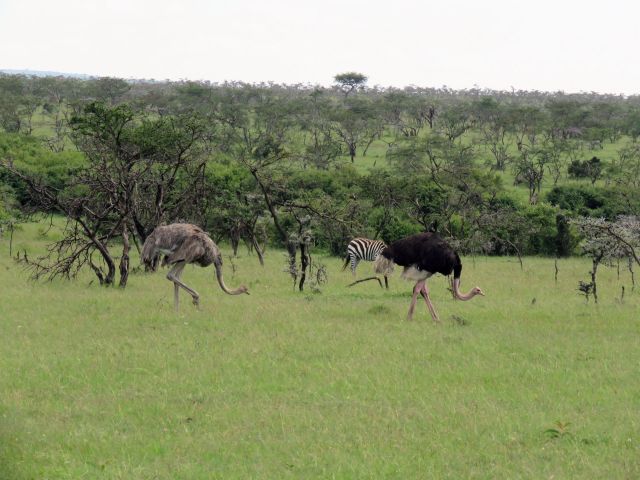
Ostrich next to wildebeest. This shows how huge these birds are.

Cattle egret hitching a ride on a unconcerned wildebeest

When we are driving back to camp this evening it happens to coincide with the cattle egret’s flight to Lake Ndutu where they roost in trees for the night. George and I marvel at how low to the ground the stark white birds fly. We also question why it is that the egrets prefer to fly around bushes and tree trunks rather than fly higher and go over the top of the obstacles.

A line of cattle egrets

When we arrive to the driveway of the camp, George passes it by and drives up to the staff’s quarters. Paul and I raise our eyebrows but don’t say anything to our guide. When George realizes what he has done he utters his distinctive “whaat” and then starts laughing. Putting the truck in reverse George backs down the long, narrow drive until he reaches Njozi’s entrance. Salama and Lema are waiting at the end of the drive to greet us and both are shaking their heads and laughing. In order for George to save face we encourage him to tell the young women that we saw a bird and that is why drove into the wrong entrance. When we climb out of the truck the two women hand us our towels and then begin kidding George speaking in Swahili. George responds to the women but the only word we understand is the word ndege, which is bird in Swahili. We assume George decided to try using our excuse of bird watching but the two women don’t buy our cover story as they shake their heads and laugh. Poor George will probably not live this down anytime soon.

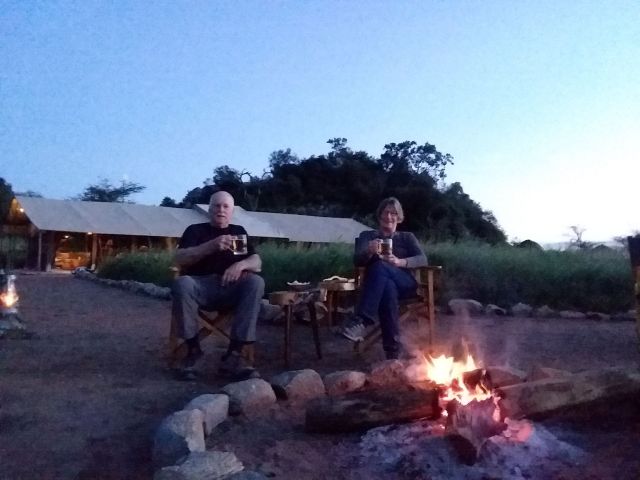
Paul and I appreciate our hot showers even more tonight after that dirty, windy morning game drive. At the bonfire we enjoy our Kilimanjaro beer that Joseph has ready for us. Joseph is featured in the camp book in our tent among other stories about Tanzanians that Wild Source has teamed up with. I won’t get the details perfect but the gist is that the owners of Wild Source noticed Joseph while they were in Arusha (I think). Joseph was selling souvenirs to tourists from a nifty little cart that made him stand apart from the other vendors. The Wild Source people began visiting with Joseph and were impressed with the entrepreneurs winning personality and motivation. Joseph had dropped out of secondary school due to lack of funds. I believe it was after a few more visits with Joseph that Wild Source offered to financially support Joseph so he could finish school. A job awaited him after his graduation at the Wild Source camp if he wanted it but that was his decision to make. Obviously, the young man took them up on their offer, thus the distinctive liquor cart at Njozi camp. Paul and I learn from Joseph that he hopes to get a college education, possibly in biology. We wish this enterprising young man all the best in his future endeavors.

The employment of, and aide to locals is a trademark of Wild Source. In the camp book there were other stories of giving people a helping hand. I remember that one of the reports was about helping a young woman start up a business. Kudos to the owners of this business for assisting people to achieve their dreams.

We visit with David and Useph as we relax next to the bonfire. David shows us photos of an old male lion they found today that died from his wounds after being in a fight with a pair of lions. Seeing the dead lion was a somber lesson that defending territory can cost you your life. One of the interesting tidbits David told us is you can age a lion somewhat by the color of their nose. When a lion is born their nose is completely pink. As lions age black spots begin to show up on their noses. Around age nine the nose becomes completely black.

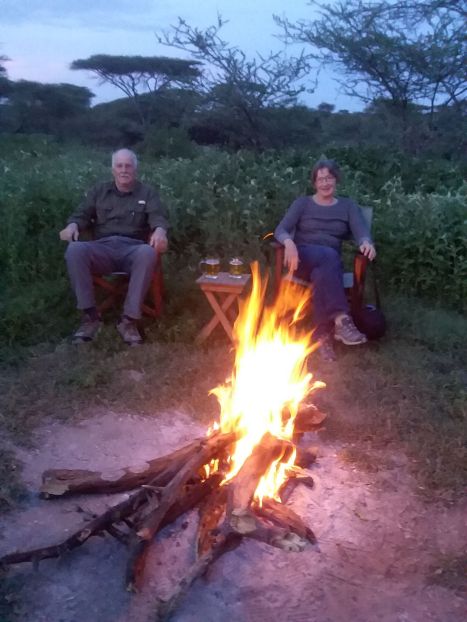
Paul and I enjoying our beer and the bonfire

During dinner we hear about Alex’s day of adventure which included seeing Babs in the tree. The chef outdid himself tonight with coconut chicken which was delicious, braised beef, potatoes, and snow peas and avocado green salad. I am grateful it is a buffet so you can try to limit your portion size! Paul enjoys an after-dinner drink of Amarula which is a favorite ritual for him when we are in Africa. We say goodnight to Alex and the staff and retire to our tent for the night. Nancy


A MORNING AND AFTERNOON GAME DRIVE IN NDUTU, BLOG 12, APRIL 7TH 2020

A MORNING AND AFTERNOON GAME DRIVE IN NDUTU, BLOG 12, APRIL 7TH 2020


Another early morning and we are eating breakfast by six. The food which includes bacon, sausage, and crepes are sitting over chafing dishes but oddly the food is only lukewarm. It is no big deal, bush breakfasts are always cold, I just always have to ask why when something doesn’t make sense to me. There is enough food here to feed a dozen people so this must also be the staff’s breakfast.

Stunning sunrise just outside of camp

George drives the same route out of camp that we took yesterday because we are returning to the wildebeest migration. There is a beautiful sunrise to enjoy as we are leaving Njozi camp. George takes a short cut through some trees and brush looking for anything that might be hiding here but we find nothing.

When we have reached the main road and traveled down it a few miles, we are astonished to find the abandoned baby wildebeest and it is standing nearly in the same spot as where we saw it yesterday. George comments on the fact that the calf managed to survive the night. I’m not sure that is a good thing since starving to death is going to take a lot longer than being quickly taken down by a predator. This is not a happy start to the day.

Traveling on down the road there is a hyena walking in our direction, or maybe I should say waddling. The animal’s stomach is so full it actually sways back and forth as he walks. The overstuffed hyena has blood smeared all over its chest which adds to the rather disgusting image. Hyenas are not exactly a favorite of mine but like everything in nature they are a necessary part of the system.

Overstuffed hyena

George drives a long way in our quest to find the endless expanse of wildebeest but we finally reach them. The wildebeest obviously don’t stay in the same place! George meanders through the wildebeest herd looking for cows in the process of giving birth. We find a newborn that is literally just a few minutes old so we just missed the actual birth. The calf is soaking wet and still trying to master the use of his very long legs. Unlike our cows who seclude themselves from the herd when calving, the wildebeest calve right in the midst of the herd. That makes sense with all the predators that are a constant threat. We also notice that the long-legged calves must get down on their knees to nurse their mothers.

A brand new wildebeest calf

Wildebeest calf on its knees nursing

Eland mixed in with the migrating wildebeest

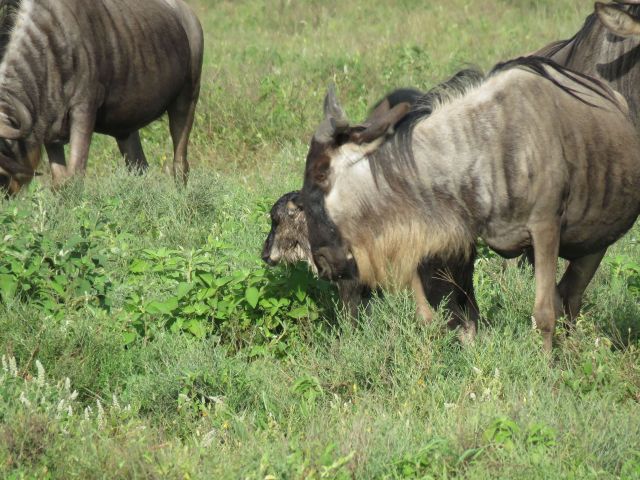
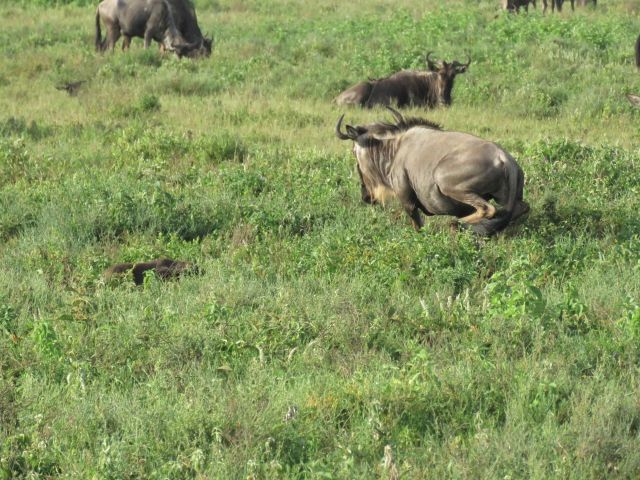
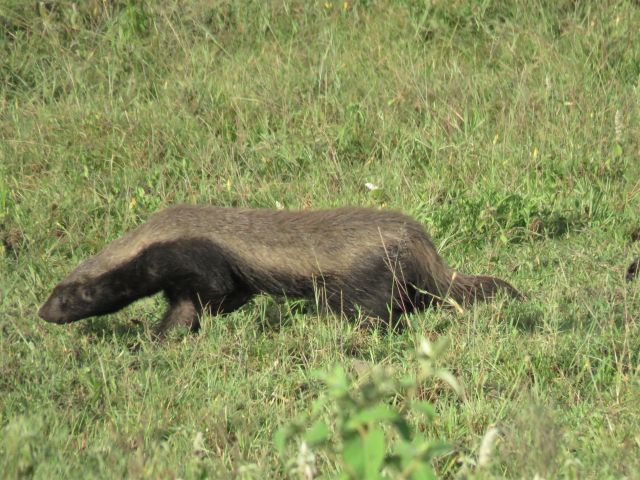
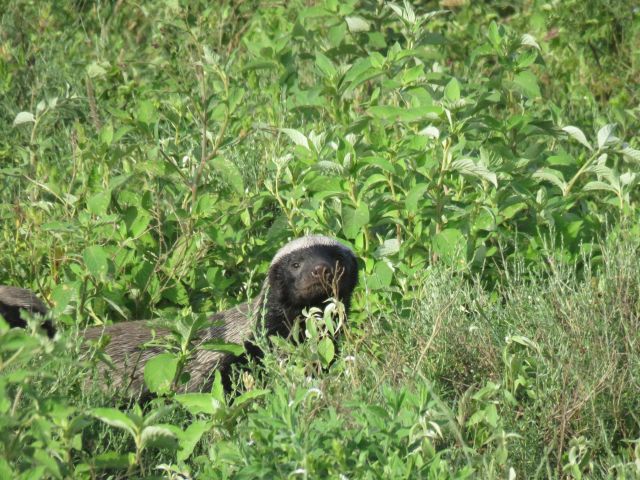
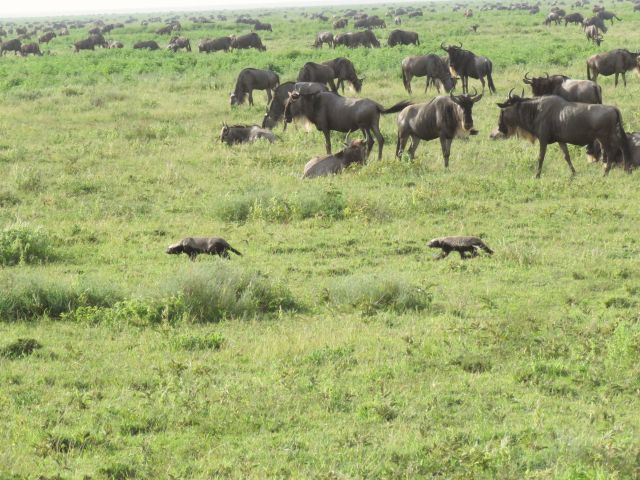
As George continues through the sprawling throng of wildebeest, (there are zebra, gazelle and even a few elands mixed in), I notice two wildebeest intently staring into a weedy patch. As I am watching the pair, one of them jerks back and I catch a glimpse of a black body topped with silvery hair that caused the reaction of the wildebeest. I yell out honey badger and George reacts with a drawn out, skeptical,” whaat”, followed with a dubious “where” as he brings the truck to a stop.  I point to the wildebeest which is still staring into the weeds, and soon the honey badger pops its head up and takes a look at us. Unreal, Paul has never seen a honey badger and I just saw one briefly when we were on another safari.

Curious Honey badger

Wildebeest checking out the honey badger

The amazing thing about this honey badger is that we seem to have made him curious. The usually secretive animal keeps poking his head up from time to time and looking intently at us. A few wildebeest keep their eyes on him and in two separate cases the honey badger decides a wildebeest is crowding him and the cantankerous animal lunges at the wildebeest causing it to jump away.

Wildebeest retreating after the badger jumps at it.

Now comes the really astonishing part. The honey badger begins to move through the weeds, raising its head up in order to keep an eye on us. Eventually the animal emerges from the cover of the foliage and parades in front of us, looking towards us now and then. After walking in the open for several yards the fearless animal reverses course and returns to the patch of weeds where the honey badger promptly disappears. The honey badger must have a den here and it is beyond lucky that the reclusive animal put on a nearly ten-minute show for us.

Look at the claws on this fellow

Honey badger returning to its den area

George, puts away his camera, and tells me that he is awarding me one hundred points for spotting the honey badger which is the highest points he awards for finding wildlife. We didn’t know that George awarded points for finding various animals and we assume this is a game he has played with other clients. George then begins to laugh and shake his head while telling me that he still remembers the Rhino I found in 2018. I ask him if that rhino was worth one hundred points and his reply is that it absolutely was!

Baby wildebeest often stand pressed against their mothers side. They look like they are attached to mom’s side with velcro.

George begins zigzagging through the wildebeest again and at one point stops the truck so we can listen to the grunting animals. Paul says that the wildebeest remind him of the old Budweiser commercial where three bullfrogs are croaking out Bud-Weis-Er, which cracks me up. Then we all start laughing as a yearling wildebeest next to us lets out a high-pitched squawk. Paul likened the sound to a squeaky door. We never heard a sound like that again from the wildebeest so I don’t know what his story was, maybe the youngster just had a sense of humor.

Hyena eating afterbirth. Nothing goes to waste out here

As we continue our drive through the grazing wildebeest and cute babies, we find a hyena feasting on fresh afterbirth. We have noticed many piles of placenta this morning which probably helps sate numerous predators. We probably are a half mile from our honey badger encounter when Paul calls out that he has seen another honey badger. Get out! George is just in disbelief at seeing two honey badgers this morning. As we are gazing at Paul’s honey badger, I exclaim that there are actually two honey badger! This is crazy.

Paul’s honey badger. You can just see a bit of the second badger

The two badgers walking in the open for us

A closer image of the pair of badgers

The pair of badgers go through the same routine as the first one did. Sneaking looks at us, picking their way through the weedy cover, and then breaking into the open to give us an unobstructed view, before disappearing from our sight. George declares that this is the very top to see three honey badgers. He then tells Paul that he is getting back up there. We aren’t quite sure what that means but find it hilarious anyway.

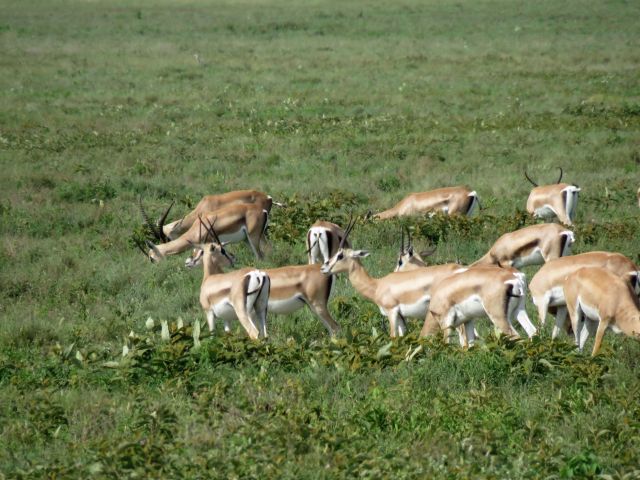
Grant’s gazelles

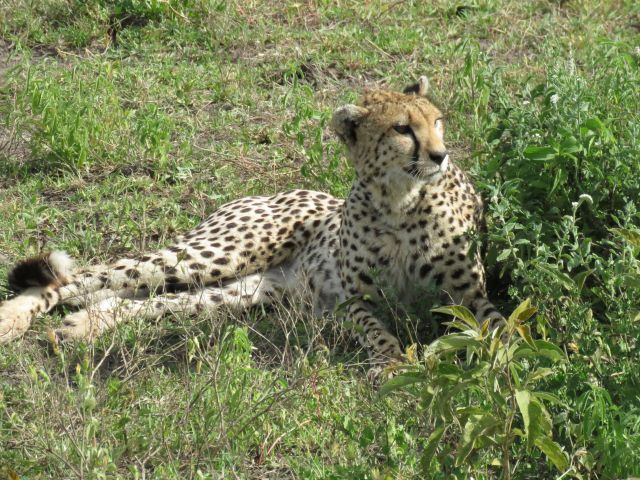
George decides to move away from the mass of wildebeest and see what else Ndutu has to offer. There are Thomson’s gazelle and Grants gazelle scattered across the prairie but after being encircled by the sea of wildebeest it feels very empty here. We are driving cross country with no real destination in mind, when George stops the truck and pronounces that one word, we have heard quite often from him. Cheetah! What are the odds that George drives a course in this wide-open park that takes us right by a reclining cheetah?

Our 18th cheetah

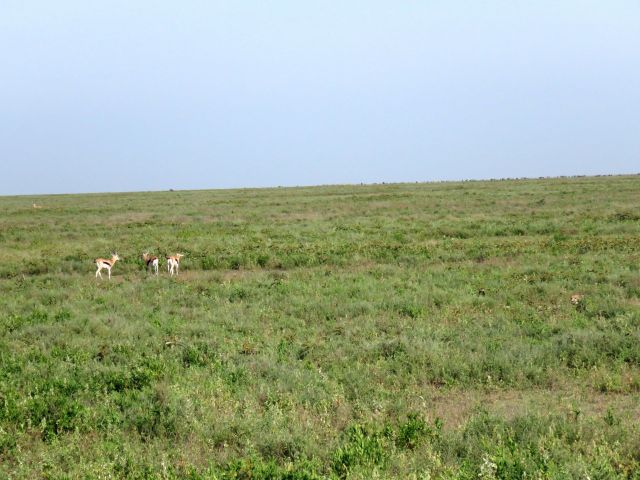
There are several Thomson’s gazelles in the vicinity and they obviously haven’t seen the cheetah judging by their lackadaisical attitudes. George decides to park the truck behind the cheetah leaving yards of space between her and us. We haven’t been sitting for ten minutes when three Thomson’s begin bounding straight towards the cheetah. As they get nearer, they slow to a walk, nibbling on grass now and then. I find myself holding my breath as the cheetah looks the gazelles over as they move ever closer. The trio of little antelope stop to graze not thirty yards from the cheetah and we are stunned when the cheetah completely ignores them. What an opportunity to pass up. George surmises that the indifferent cheetah is aware of the numerous hyenas that are in the vicinity and therefore the cat won’t waste her energy on making a kill when it would likely be stolen from her. We have now broken George’s record of seventeen cheetahs on one safari! However, George and Paul have upped the ante, they have decided they are going to try to obliterate George’s record of seventeen cheetahs and have set a lofty goal of seeing twenty-five different cheetahs😊. These guys!

Thomson’s gazelles so close to the cheetah! The cheetahs’ head can be seen to the right about a third of the way up from the bottom

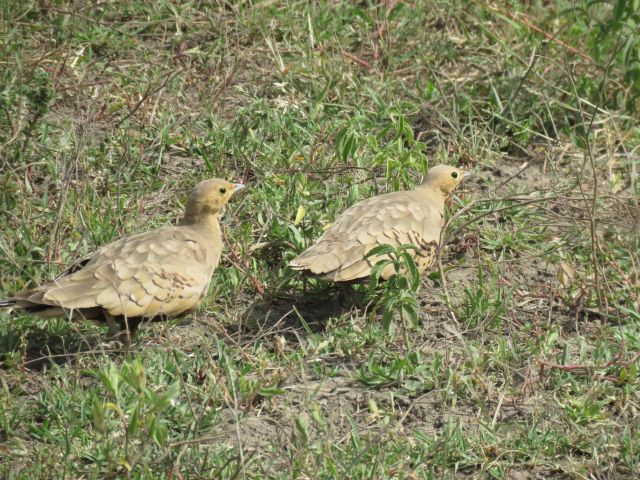
A pair of sand grouse

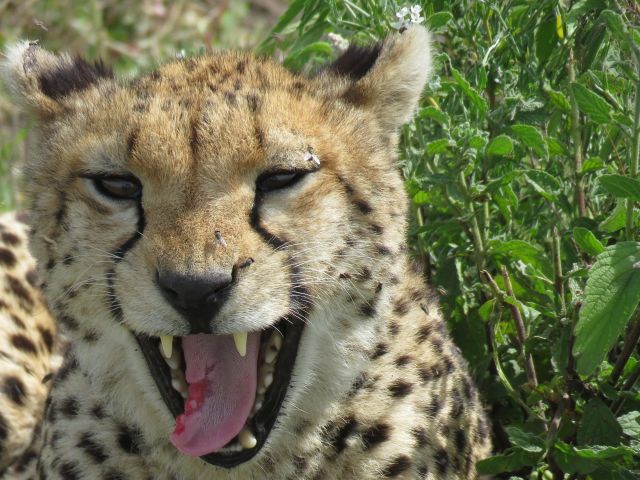
Leaving the elegant cat behind we continue to explore this part of Ndutu. There are a lot of hyena scattered around and we count twenty of the scavengers, all which aren’t that far from where the cheetah is laying. We reach the border between the Serengeti and Ndutu which is defined by stone markers, (they resemble grave stones), that are planted several hundred yards apart. George turns around and decides to visit the cheetah again. This time the lovely feline yawns, stands up and stretches for us. We notice that her tongues on one side is jagged and bloody so perhaps this is another reason the cheetah wasn’t interested in hunting. We also see that she is very thin and George thinks she will have to move to new territory away from all the hyena as she needs to hunt soon.

Her tongue looks so painful

A beautiful cat

It is time to return to camp for lunch so we mosey back through the wildebeest, still on the lookout for a cow calving but no luck with that. It seems everywhere we look we see hyena and we also find vultures picking at what is left of a gazelle.

Not pretty but necessary

A Kori Bustard displaying

We have chicken pizza, spring rolls, pita bread and guacamole for lunch. It was all quite good. Yesterday we agreed with George that because of the pesky flies and heat that it wouldn’t be much fun to eat our lunch in the bush. Paul and I agreed that we made the right decision as it is very nice to relax for a few hours between game drives. We spent quite a bit of time sitting in front of our tent, Paul reading, me writing in my journal, and watching the many birds in the trees and bushes that border the camp. We also get some exercise by walking the path in front of the guest’s tent.

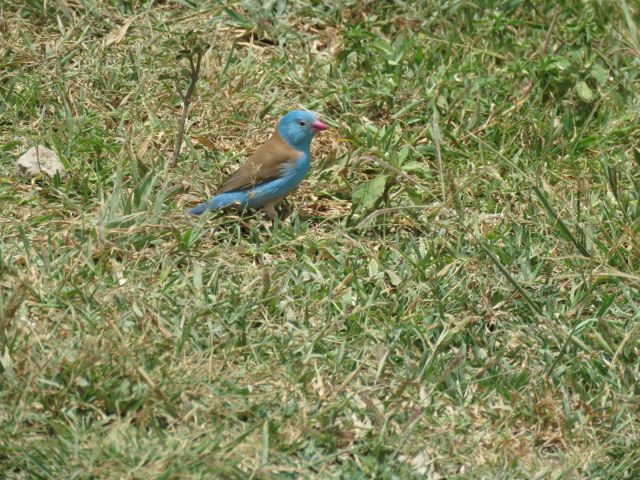
Blue-capped Cordon-bleu by our tent

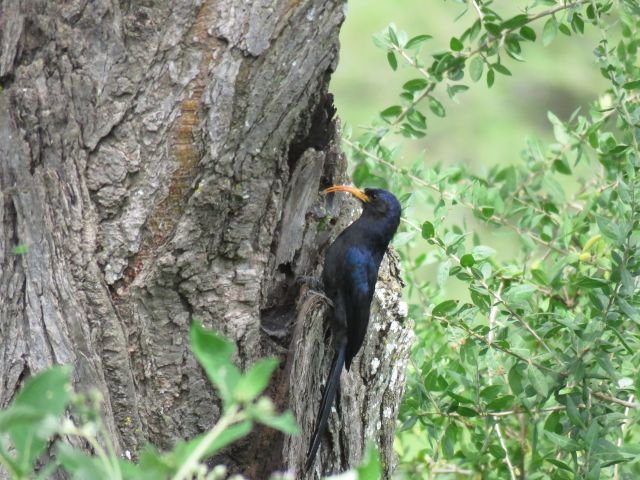
I am particularly entertained by an Abyssinian Scimitarbill, that is probing the bark and holes in a large tree in front of our tent. The curved billed bird pulls many insects and worms from the old tree. The unique bird eats some of its catches but on occasion the Scimitarbill flies away with the bugs, always returning in a relative short time. I assume that the Scimitarbill has young ones it is feeding in a nearby nest, or perhaps the bird is feeding a mate that is setting on eggs.

Abyssinian Scimitarbill on tree by our tent

A reward after searching the hole in the tree

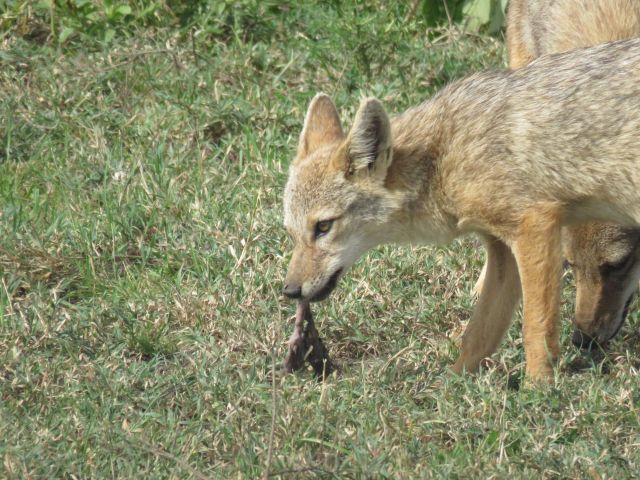
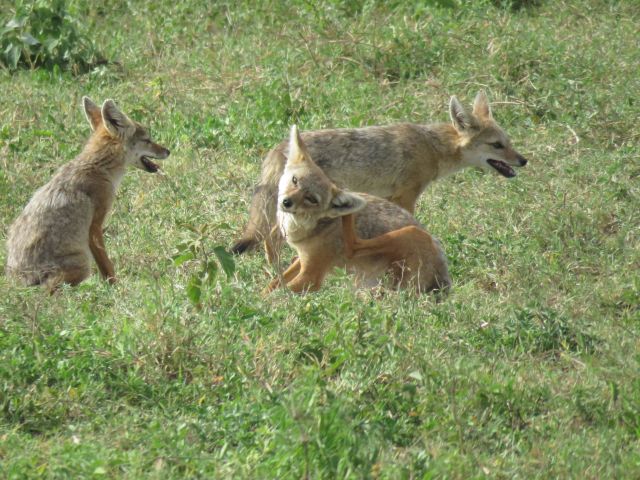
We meet George at four-thirty to begin our afternoon game drive. George decides to take us to the Big Marsh to look for the lions known as the Marsh Pride. The lions are nowhere to be seen but we do come across a pair of jackals who are throwing their heads back and howling. Pretty soon three half-grown pups appear from the weeds and grass. Two of the pups begin to grovel, that is the best word I can come up with. The pair lower their front halves to the ground in a kind of bow, and their little tails are wagging so hard that they are going in a circle. About that time the nearest adult to the pups, to put it bluntly, barfs up some meat. One of the pups grabs a piece but the other pup isn’t impressed and walks away. Mom or dad starts eating the unclaimed stuff probably not wanting to waste it! Upon closer inspection it is clear that the regurgitated meal is afterbirth. This wasn’t the most pleasant thing to watch but George makes the point that these little canines have found the safest way to carry a meal to their offspring and that way is to swallow it. That makes sense, nobody can steal the jackal’s food from them when it is already in their stomach.

After begging one of the parents regurgitated food

Yummy, thanks mom or pop

The other two pups and mom or dad

As we are driving through the mostly dry marsh bottom, we happen to pass by three sleeping bat-eared fox. It is pretty odd that they are sleeping above ground during the day albeit they are pretty well hidden by the ground cover. Even stranger, the little foxes hardly notice us, in fact the one that is sleeping on his belly only twitches an ear when we drive up. This was an unexpected and great find.

One of the bat-eared fox did stand up briefly

This guy is sleeping on his tummy

We find giraffe browsing on thorny bushes and I will never come to grips with how they manage to remove leaves from the spiked limbs without getting a hundred pricks with every mouthful.

Browsing giraffe. Ouch.

We leave the big marsh and make our way back to Lake Ndutu. As we are turning onto the road that leads to Njozi we see several vehicles clustered under a huge tree with sprawling limbs not far from our turn off. George stops the truck to take a look and then tells us that there is a lion in the tree. Oh, for crying out loud. Sometimes I just can’t believe how fortunate we are. We decide to go take a look as there are only four or five vehicles enjoying the tree-climbing lion.

A small part of Lake Ndutu. Flamingos along the edge of the lake. The tents you see are mobile, they won’t be there in a couple of months.

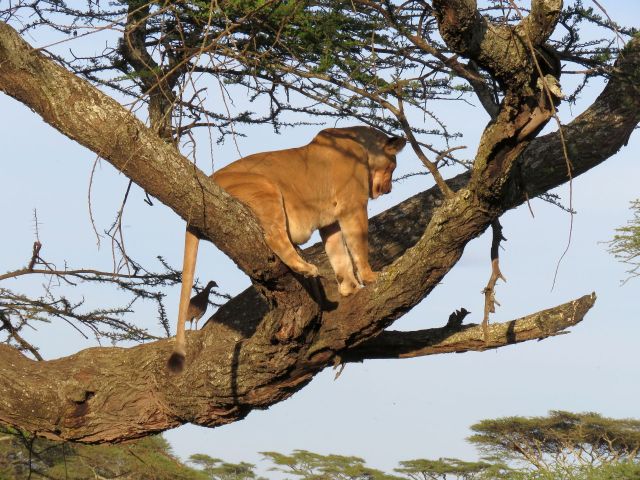
How can this big lioness sleep in this position?

When we arrive all of us are astounded at the awkward position of the lioness and yet she is sleeping. The massive cat is sitting with her ample bottom wedged tightly against a branch while her front legs and paws are braced on crossing branches in front of her. The show stopper is a Yellow-necked Spurfowl that seems completely perplexed by this enormous “bird” that is in the tree. The brave/silly Spurfowl is clucking as it walks around checking out the lioness, first looking at the tail, then the lioness’ bottom, eventually walking up a limb to look directly at the cat’s huge head. The lioness pays the curious bird no mind although I did see her open her eyes a bit when the cheeky spurfowl is peering at the lioness’ face. That has to be one of the funniest things I have ever seen.

Spurfowl looking at the tree climbing lion

Spurfowl puzzling over this big bird

We leave the lioness and her feathered companion and return to the camp. After thanking George for a wonderful day, we retire to our tent and enjoy our much-needed showers.

Paul and I make the long trek to the bonfire, just kidding, the fire is probably twenty yards from our tent, and order our beer from Joseph and his liquor cart. David and Useph(sp) soon join us and I show them the photo of the cheetah and the tree lion. The big cat researchers both identify the lioness as Babs. The two young men can recognize her by sight but to make absolutely sure it is Babs they blow up the photo and check certain face whiskers above her main line of whiskers which is unique in every lion. Hmm, I can’t explain it and David made it so easy to understand when he explained it to us. The two also congratulate us on seeing the honey badgers. David tells us we need to watch a you tube video called “The honey badger don’t care” that shows how tough this animal is. The personable young man starts laughing just thinking about the video. We will check it out for sure.

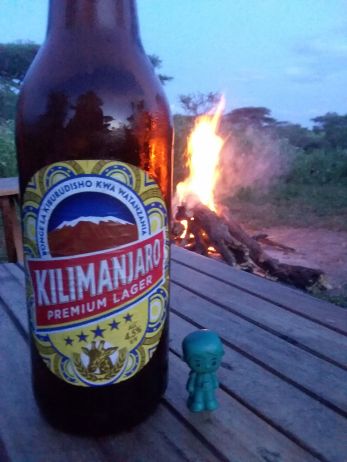
A Kili beer by a bonfire. Hard to beat that. Oh yes, that is little blue, he travels with Joy and Paul who share custody of him. He gets his photo taken all over the world!

When David looks at the cheetah photo, he tells us this is a young female and that she is in early pregnancy. David is intrigued by the damaged tongue and is unsure what caused the wound. He makes a hesitant guess that the cheetah somehow bit down on a thorny branch. Actually, that makes sense to me as it would explain the jagged nature of the wound. Maybe she was trying to make a kill and a thorn bush was next to the animal she was trying to clamp down on. Well, we will never know.

Tonight, Vana comes to our table and announces that there will be no supper served tonight. Paul and I look at him and then I say, “yes there will be, I can smell the food”. Vana replies that there will be no supper because they are going back to serving dinner. Paul and I have a good laugh over that great line. Last night we told the staff we would see them at supper and they had no idea what we were talking about. We explained to them that in our rural life we refer to the noon meal as dinner and the evening meal as supper. So, on our first night they welcomed us to supper! I love people’s sense of humor here.

The chef has prepared lamb, pork chops, potatoes, zucchini and banana/caramel dessert and it is all delicious. Useph eats dinner with us and we have an educational conversation with him learning more about the two friends work with Wild Source. They really seem passionate about what they do and why wouldn’t they be! Nancy


LEAVING NYUMBANI FOR NDUTU AND NJOZI CAMP, BLOG 11, APRIL 3RD 2020

ALEAVING NYUMBANI FOR NDUTU AND NJOZI CAMP, BLOG 11, APRIL 2ND 2020


Before Paul and I go up for our seven-a.m. breakfast, we pack up most of our belongings. We are leaving later than usual this morning because George must fill up with fuel near the Seronera airport and the fuel station isn’t open until eight o’clock.

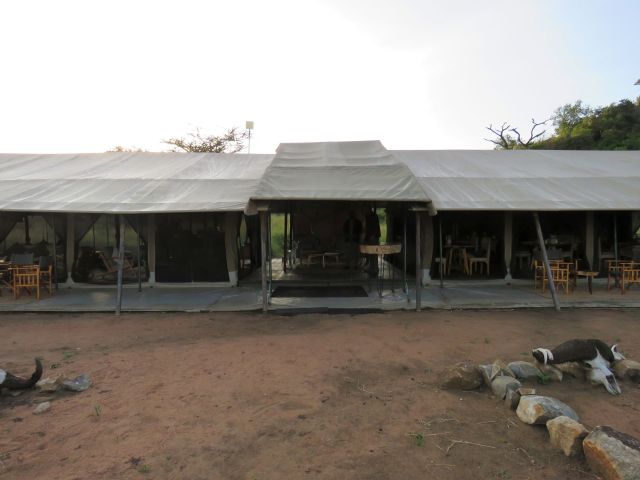
The dining and community tent at Nyumbani

After breakfast the staff gathers our luggage and all of them accompany us to the vehicle. We give Goodlove the envelope with the tip money for the staff telling them how much we enjoyed staying here and how much fun we have had with them. Once we are settled in the truck, we see Amani making a heart with his hands and Bazile is pretending to cry. Hilarious. These guys are such characters.

Paul and I with the staff of Nyumbani camp

On the drive to the gas station about all we see is a beautiful young giraffe who strolls across the road in front of us. The gas station consists of an austere concrete building with one fuel pump. George goes to pay the attendant, who then comes to fuel up the truck.  There are beautiful kopjes next to the gas station and an unidentified bird is perched on the peak of one rock singing its heart out. Paul and I have to laugh when we see the station attendant rocking the truck back and forth in order to be able to get a little more diesel in the fuel tank!

Lone giraffe we saw on our way to get fuel

Fueling up

We have a long drive to Ndutu which will take us through half the length of the Serengeti, (Seronera is located in the middle of the Serengeti). One of our first encounters after leaving the gas station is a good-sized herd of Cape buffalo crossing the road in front of us. You bet they have the right away!  There is a cow with a brand-new calf which is struggling to keep up, though mama does turn to check on the little guy now and then. Thank goodness the herd leaders stop to graze not long after they have crossed the road as I don’t know how long the wobbly calf could have kept going.

Mother cape buffalo checking on her brand new calf.

Wobbly Cape buffalo calf made it across the road.

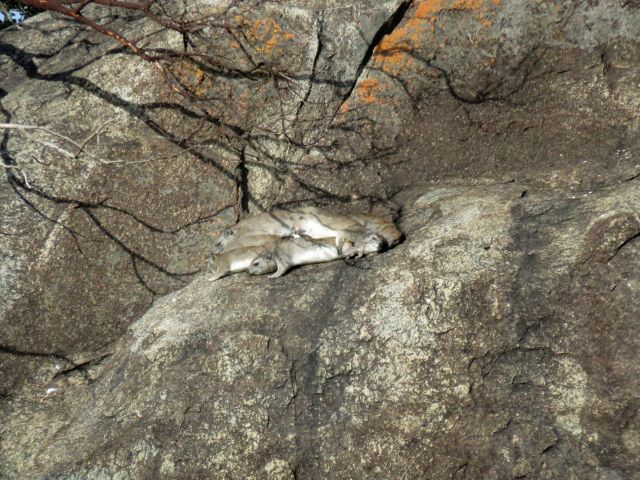
We don’t find much more in the way of wildlife for quite some time. Well, George does stop at a kopje to laughingly point out several hyraxes that are squished together soaking up the sun. As we continue driving through the lovely grassland, we come upon a vehicle parked alongside the road. The people are focused on a solitary tree quite a distance from the road. George immediately declares that there is a leopard in the tree. Wow, we had no expectations at all of seeing a leopard in this country. George tells us to look for the tail of the leopard that is hanging down from a limb. Paul and I find the leopard but I don’t see a tail, I see hind legs hanging down on either side of the limb the stunning cat is lying on. George says there is another road not far away that will get us closer to the mottled cat so off we go. We have just turned onto the road when we see two vehicles approaching from the other direction. The leopard panics, climbs down the tree, and “poof” it immediately disappears. We have experienced this magical act when watching leopards before but I still don’t know how such a large feline can seemingly vanish into thin air. Alright, we are absolutely delighted at seeing a leopard in the Serengeti.

Hyrax piled up together, basking in the sunlight

Leopard in the tree. I had to use my full zoom to get this documentary photo

Startled leopard on the move, Oops, wasn’t fast enough to get his head in the shot

This is the last we see of the big cat

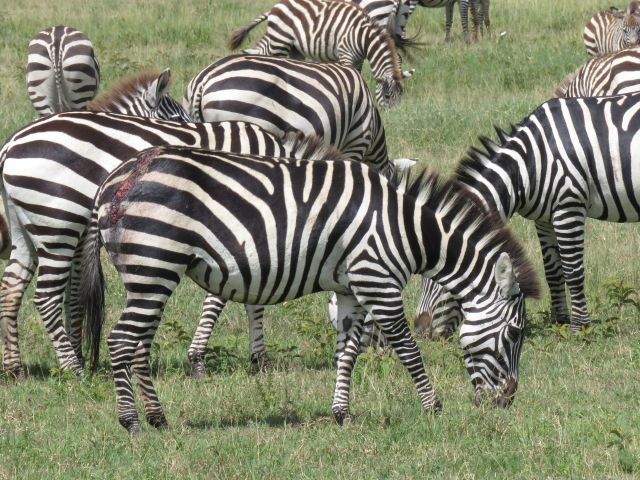
As we continue on our way, we find an overheated hyena cooling off in the middle of a small pond. Immersing itself in water doesn’t make the hyena any more attractive! As we are driving alongside a herd of zebras George finds one zebra with a bloody slash on one of its hindquarters. It looks like this fellow barely escaped death, probably from an attacking lion. The wound looks nasty but the zebra itself is grazing and otherwise seems healthy.

Hyena cooling off in the water

That is a nasty wound. Probably a result of a lions claws?

Our journey takes us back through the Gol Kopjes and we see the mother and cub cheetah again but for some reason I only have a photo of the mother, I guess the cub was hiding in the grass. There are some safari trucks ahead of us parked by a Kopje so we decide to see what they have found. Two vehicles are leaving when we arrive and a third guide is attempting to turn his truck around in a tight space. As the driver pulls forward, he startles a male lion that jumps up and limps into the towering grass. This is the same untidy male we saw with the two lionesses yesterday so maybe his injury is the reason he hasn’t been grooming himself. One of the lionesses is on top of an immense rock and the other one is barely visible as she is holed up in some dense bushes.

Startled male lion

Lioness laying on Kopje rock

George has to sign in at a place called Naabi Hill so we can continue on to Ndutu. When we arrive, George suggests that Paul and I hike the path to the top of Naabi Hill as signing in will take some time. Paul and I think that is a great idea and we climb the steep but short path to the peak of Naabi Hill. I am gasping for breath when we reach the top but the birds eye view of the endless plains spread out below us was worth the exertion.  Upon our return to the truck George asks if we want to eat our lunch here and we agree. There is a picnic area but it is so full of other safarists eating lunch that all the tables are taken so we have to settle for a wooden bench which is fine. As we are leaving, George gives our leftover apples to some construction workers who seem very appreciative. George is such a kind and thoughtful man.

Faded sign at the top of Naabi Hill

This lizard was next to the sign

View from the top of Naabi Hill

Once we leave Naabi Hill we come across a large number of zebras who have congregated into small groups. Each cluster of zebras is pushing tightly against each other in an effort to protect a small part of themselves from the voracious flies. There are white storks everywhere and George tells us that they are migratory birds. At one point on our drive we have to come to a stop as a line of wildebeest are dashing across the road, many of the cows have long-legged babies running beside them.

Zebras in small clusters trying to protect themselves from the biting flies.

One of the hundreds of white storks we saw in Ndutu. This isn’t a very good photo but I think it is the only close up I have of a white stork

Wildebeest and calf dashing across the road

When we arrive at Ndutu lake there are greater and lesser flamingo wading along the edge of the placid lake. We spend a little time looking for a pride of lions that frequent this place but we don’t find them. We drive into Southern Njozi camp at three o’clock and the staff is waiting with hot towels and welcome drinks. The camp manager, Vana, takes us to our tent, which happens to be the closest tent to the dining tent. Vana then gives us the tent tour while explaining camp rules and giving us other information. It is a very nice tent and Paul and I get settled in, then rest before our late afternoon game drive.

The bedroom

Back room of our tent

It is really dusty here so it is hard to believe that they were having terrible rains and flooding here a few weeks ago! Unlike the Serengeti, you are allowed to drive off road in Ndutu which is nice as you can get off of the dusty roads. We were driving cross country when Paul and I thought we saw a hyena chasing a few wildebeest quite a way ahead of us. George corrects us and says that it is a baby wildebeest. The little calf is having trouble keeping up with the adults and then we lose sight of them.

As we draw nearer to where the wildebeest were stampeding, we catch sight of a golden figure scampering our way. Oh no, it is the baby wildebeest and he is bleating in terror. The lost calf catches sight of our truck and begins running towards us. George drives onto the road but now the baby wildebeest falls in behind us and trails us as though we were its lost mother. There are a few wildebeest several hundred yards away, and even though we know it isn’t the ones that this calf belongs to, Paul and I ask George to drive towards the wildebeest in hopes the baby calf will keep following us. Our idea is that the calf might stay with these wildebeest and with luck its mother will come looking for it.  Sadly, the bewildered calf stops following us after we have driven another hundred yards and it stands and stares at us as we drive away. I am used to how cruel nature can be since I have spent my whole life on a ranch. But I must say the sight of that lost, confused, baby brings tears to my eyes. At home if we have a calf that the cow didn’t want or a twin that didn’t keep up with mom, we can gather that baby up and raise it on a bottle. Here all we can do is leave it behind and hope that the mother will return.

This calf is staying right with his mother unlike the lost calf.

When I know my voice won’t break, I ask George what the chances are that the misplaced baby’s mother will return for her calf. I don’t get the answer I was hoping for as George admits the chances aren’t good, adding that wildebeest aren’t very good mothers.

We drive on until we reach a spectacle that Paul and I can’t quite comprehend. There are thousands upon thousands of wildebeest in this part of Ndutu including lots and lots of young calves. George tells us to look through our binoculars in order to see that this vast herd of wildebeest seems to be endless in all directions! Wildebeest are very noisy so we are inundated with their odd, almost bullfrog like call. George drives slowly through the wildebeest around us and they react like our cattle do on the ranch. The creatures move out of the way of the vehicle, walk a few steps and most begin to graze again but a few will turn and stare at us.

My camera is good for zooming, not good for landscape scenes so this photo does not clearly show the wildebeest in the background. Every dark bump all the way to the horizon is a wildebeest

It is getting late, so we must leave this jaw-dropping wonder behind and return to Njozi. I would have loved to have ended the day with the image of the unfathomable wildebeest migration in my head. That isn’t the case as when we reach the spot where we left the abandoned baby it is still standing there looking confused and very alone. There is another vehicle stopped by the little calf and the looks on those people’s faces mirror mine. Like I have said before, real nature is nothing like a Disney movie.

When we return to camp, Paul and I order our water for our bucket showers and boy does it fill good to wash the grit and the dust off. We go to the bonfire and order a beer from the young man that is manning the liquor cart, (that is another story for another blog). Since we are the only guests tonight the bartender isn’t going to be very busy!

Joseph and his liquor cart. One of the Maasai who escorted us to and from our tent decided to get in the photo too.

We meet David and Useph, who are Wild Sources big cat researchers. David says he met us in 2018 when we were at the Northern Njozi camp. Paul and I can’t truthfully say we remember David but we do have a vague recollection of being introduced to a big cat researcher while there.

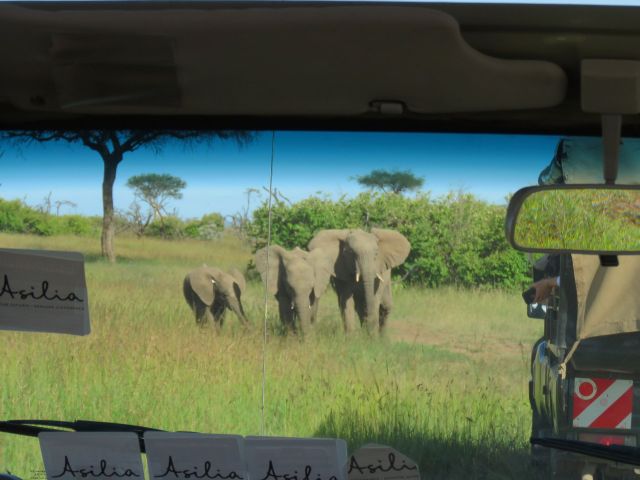
While we are sitting at the bonfire, we hear someone whistling, suddenly the Maasai that are sitting near the fire jump up and start running towards the parking area. Someone starts honking a horn and then Paul catches a glimpse of an elephant running down the road with the vehicle in hot pursuit, furiously honking its horn. The people chasing on foot are whistling and whooping. It seems this elephant discovered the kitchen tent awhile ago and took a liking to the various fruits and vegetables inside. We understood that the elephant demolished the tent on that escapade too. The elephant returns now and then but so far, they have thwarted the pachyderm from carrying out another successful theft.

David eats dinner with us and we have a fascinating conversation with him about he and Useph’s work for Wild Source. If I had another life, these two young men are doing what I would love to do. The two men work with other groups who are following big cats in nearby regions such as Ngorongoro crater and they are building up a data base on lions, leopards and cheetahs. They compile movement of the various cats. They work at identifying the individual animals among a myriad of other interesting work.  It has been a long day and it will be an early morning so Paul and I say a reluctant goodnight to David and retire to our tent. Nancy


MORE ADVENTURES IN THE SERENGETI, PART 2, BLOG 10, MARCH 30TH 2020

MORE ADVENTURES IN THE SERENGETI, PART 2 BLOG 10, MARCH 30TH 2020

Trying to get the courage to drink


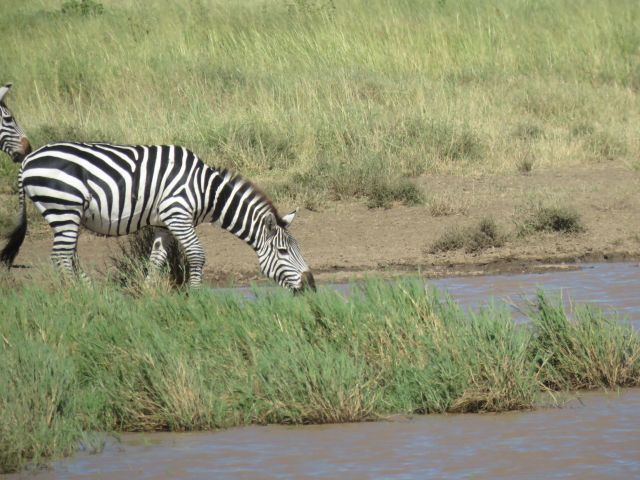
I have to retrace our steps this morning as I forgot to include some interesting behavior by a dazzle of zebra prior to our seeing more cheetahs. We were driving by a large watering hole and noticed a large number of the horse-like critters standing several feet away from the edge of the water. George stops the truck so I can take photos of the photographic animals. As we observe the zebras, we can see that they are trying to gather their courage to proceed to the water and quench their thirst. You can’t blame them for being cautious since they can’t know that there are no sunken crocodiles waiting for them in this pond.

I do see two hippos’ surface briefly so this is probably part of the reason for the zebra’s angst. When I comment that the hippos are making the zebras nervous, George asks in a surprised voice “what hippos”. As if on cue one of the bulbous animals briefly surfaces to prove I wasn’t hallucinating. George shakes his head and pronounces that when this water hole dries up the hippos will have a very long walk to find more water. I never thought about the hippos being miles away from any river, and it does seem strange for them to be in the middle of this vast plain.

The trailblazer

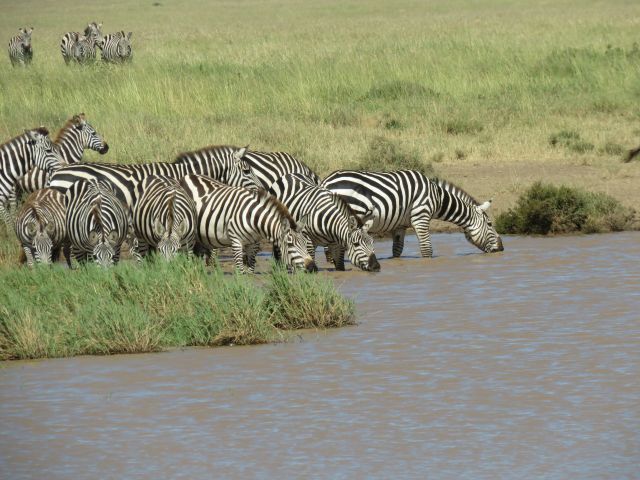
One zebra decides to leave the part of the pond where the hippos are playing hide and seek, and it walks to the end of the watering hole. He takes a tentative step into the water while staying alert to any danger that might be lurking. Soon another brave soul steps up to join him and the actions of these two trailblazers many zebras begin crowding into the water. At one point something spooks the thirsty zebras and they bolt towards dry ground, only to immediately return to drink. I guess they must have realized that the scary situation was a false alarm.

Follow the leader

Somebody cried wolf

The zebras mostly drink in an orderly fashion but occasionally a zebra will pin its ears back as a warning to its neighbor not to crowd him. I saw one temperamental beast lay its ears back and try to bite a zebra next to him, who knows why. Zebras really do have the temperament and actions of horses. Once the zebras have quenched their thirst they turn and begin walking back into the grassy plains. On the horizon we see many more zebra walking toward the watering hole and I suppose they will take the same cautious approach that this group of zebras did. Now I’m ready to pick up where I left off in the last blog.

Crowding in to drink

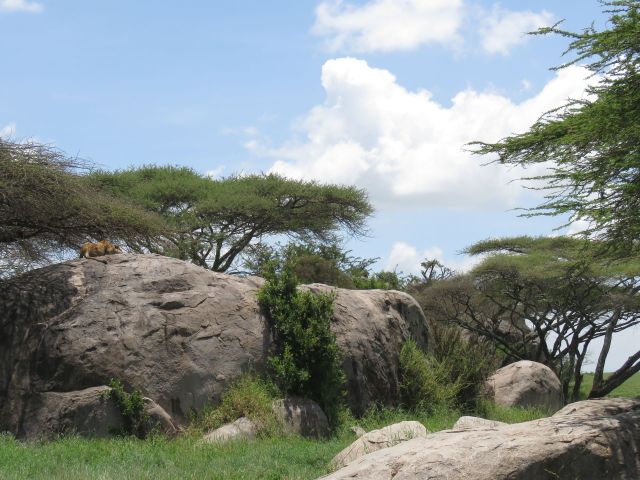
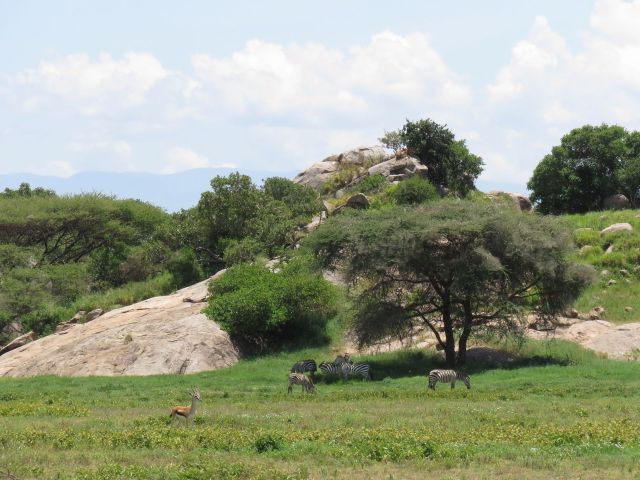
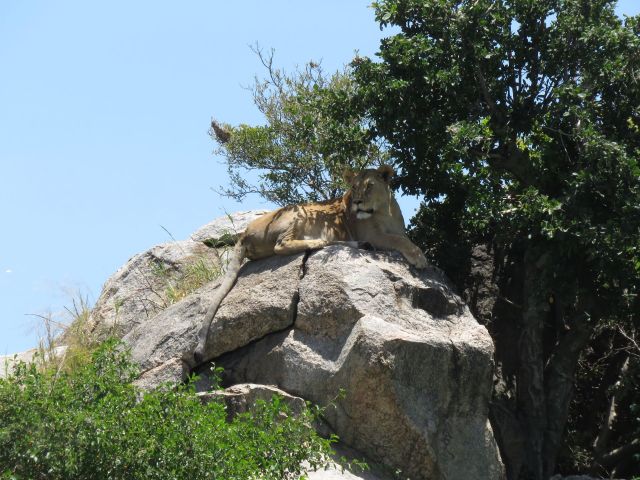
After we have tired of squinting through our binoculars at the cheetahs and the researchers, George decides it is time for lunch. Good because Paul and I are hungry, lunch is always in the early afternoon, not at twelve. George is driving towards a beautiful kopje and I decisively say that there must not be any lions here because there are a handful of zebras in the shade of a tree right on the edge of the kopje. George who is peering at the top of the kopje laughs and informs us that there is a lion situated at the top of the kopje. Good grief, A huge lioness is perched on a rock high above the zebras that are lounging under the tree. So much for my brilliant deduction that no prey would be around the kopje if there were predators here.

There won’t be any predators here with zebra under the tree. Ha. Can you see the lion? George did at this distance.

Lioness on the peak of the rock.

Zooming in on the lioness.

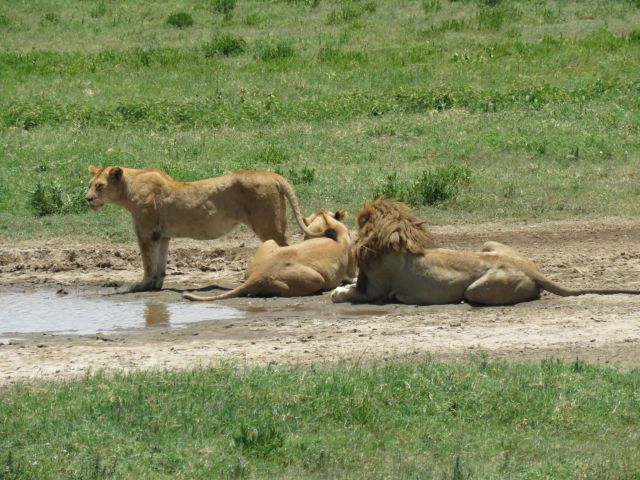
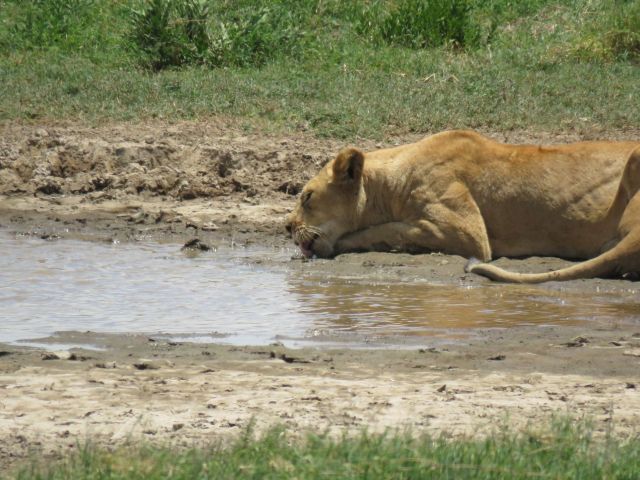
George decides we can’t eat by any of the nearby kopjes as members of a pride could be hiding in any of the rock formations. George decides to drive back to the kopjes we were at earlier this morning. We pass by a shallow watering hole and find three lions lying near the water. A big male lion and two lionesses. Naturally we stop and watch the trio for a few minutes. Paul comments on how poorly groomed the male lion is, noting that his mane is matted. A lioness gets up and steps over her sister as she walks to the water, lays back down and proceeds to lap up some of the muddy water. Now that is just lazy.

Trio of lions

Drinking while laying down.

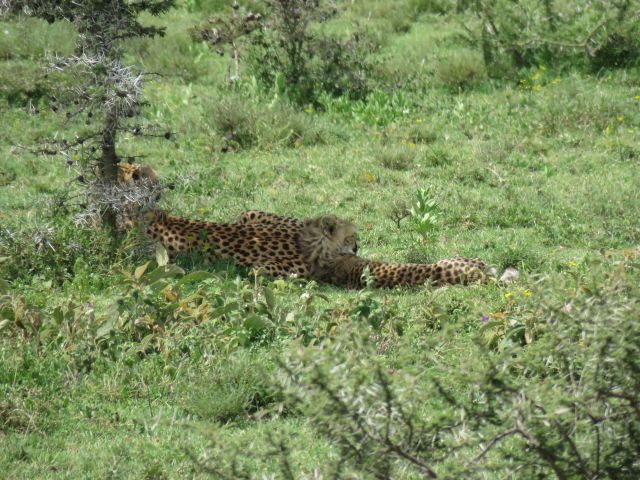
We move on, still searching for a safe lunch spot, when I see something move on my left and call out “what is that”?  I have barely finished my query when George answers that it is a cheetah. Oh, for heaven sakes. Of course, we stop and watch the pretty cat for a bit. The cheetah is sitting up and staring over the expanse of grass but there isn’t any impala or Thomson’s gazelle to be seen. Since there seems to be no chance of a hunt by this cheetah we continue on our way.

I found this cheetah, sort of.

George chooses a beautiful kopje for us to have our lunch. George sets up the table under a lovely acacia tree with a slab of rock for the floor. As George is busily putting our lunch items out, Paul looks around and states “this is the life George” Then he asks our guide if he needs someone to help him with his job. George stops what he is doing and asks “what do you mean “with puzzlement in his voice. Paul replies that he wonders if George needs someone to help him on safaris, like hiring a spotter. George gets a mischievous grin on his face and turns around and points at me. I laugh and tell Paul that he stepped right into that one. Paul admits that as soon as the word spotter came out of his mouth, he knew he had lost the job. We all have a good laugh before we settle down to eat lunch.

Perfect place to have lunch

The lunch is very good but the best part is the ambiance of our dining room. We help George pack stuff up and load it in the truck. Before we leave on our quest for more wild animals, Paul gives George the gifts we brought for him. Paul hands over a battery for his Canon camera and a western leather belt. There is a KSU Veterinarian from Manhattan who had told us that George had looked at buying a leather belt when he came to Kansas in 2018 but settled on purchasing a Stetson hat instead! We tell George now he knows why we reacted the way we did, (softly chuckling at each other) when he gave Paul his belt.

The cheetah we saw before lunch

George tells us he wants to go back to the cheetah we saw before lunch to make sure it wasn’t one of the pair that were around the researcher’s truck. We want to make sure were not cheating on counting this cheetah as a new one😊. The cheetah has moved across the valley so we drive to the other side where another group of safarists are watching her. The cheetah cooperates by standing up and it is obvious this sleek feline is not one of the cheetahs the researchers were studying. This cat’s belly is not bulging like the two cheetahs’ tummies were that had made a kill. Hey, six new cheetahs today so we have tied George’s record of seventeen cheetahs on one safari!

George decides to detour to the area where we saw so many cheetahs yesterday as we head back to Nyumbani camp. That sounds like a great idea as we would love to see both mother cheetahs and their cubs again. Paul and I know when we are on the “cheetah” road because of an unusually shaped tree. According to George the tree was damaged by an elephant splitting it in half. The tree is still mostly alive and is an easy landmark to identify.

This tree makes for a distinctive landmark

As we are driving towards the distinctive tree, I spot a cheetah to our left and call out to George. The cheetah is in heavy cover but it is obvious that it is eating on something. George drives over to the cheetah and we discover that there is a satiated cub lying in the thick grass next to the mother who is enthusiastically eating on the Thomson’s gazelle she has killed. In fact, the adult cheetah doesn’t even look at us, she just keeps gnawing at the carcass. I suppose the fact that there is hyena around motivates her to eat as much and as fast as she can. This is the mama and cub we saw yesterday that were playing around the trucks. After her fruitless hunt yesterday, I am happy to see that she and her cub got to eat today.

The well hidden cub that is obviously full or it would be eating too

Mama cheetah so intent on eating she never even looked at us

We travel on to where we saw the big cheetah family yesterday. The cheetahs have moved but only a quarter of a mile or so. Mama cheetah is reclining out in the open but the cubs have hidden themselves in the ground cover a few yards away from mom. There are two other vehicles looking at the cubs and we join them briefly to take a few photos and admire the satisfied cats. We can only see four of the cubs which worries me a bit. George tells me that the guide he visited with just prior to driving out to see the cheetah family, had accounted for all of the cubs just minutes ago. The absent cub must have found a better hiding place than his siblings or we just can’t count.

Supermom relaxing in the open

One of the four cubs we found

We leave the satisfied cheetah family and George drives us to a region known as Zebra Kopjes. It is well named as when we arrive there are hundreds of zebras spread out in front of us. I try my best to get a photo representing the myriad of zebra in this locale but I can’t capture it. This scene just takes my breath away. We spend quite some time with the nonchalant zebra, just sitting and soaking in the surreal scene before us.

I couldn’t do this scene justice. It was breathtaking.

When we get back into the part of the Serengeti where the grass is so high, I sit back and relax. I should know better by now. George speaks almost to himself, saying “Is that a guinea”, then answers his own question with an emphatic “No, it is a Serval Cat”! George hits the brakes and we watch the elegant cat as he prowls through the grass on the lookout for a careless rodent.

Serval that George spotted

What a beauty

The speckled cat doesn’t find any thing for supper and to our delight walks out onto the road behind the truck. The fearless serval’s first order of business is to mark his territory, then he turns and gives us a curious look before ambling down the road. What a wonderful encounter and we had the exquisite feline all to ourselves!

We are delighted when the serval walks onto the road and turns to look at us.

The pretty cat saunters off

Tonight, as we approach Nyumbani camp the tsetse flies attack in an even higher number than the first time we encountered them. They are swarming into the truck, biting Paul and George and landing on me but they don’t bite me. I have no idea why but am very grateful that I escape their painful punctures. The darn things follow us clear to camp although the numbers thin out. When we get out of the vehicle there are still a few buzzing around us and all of us are wind-milling our arms around trying to shoo them away.

As we walk up to the community/dining tent we notice a young woman sitting on a couch, typing away on her laptop. It is great that they have another guest at this wonderfully isolated camp. Paul and I go to our tent to shower and do some packing since we leave for Ndutu in the morning.

When Daniel comes to escort us to the dining tent for dinner, we are surprised when the big man instead leads us to the bonfire. The staff have set up our table near the fire and they also have lugged the blackboard denoting our menu for the night down here too! Amani brings us the beer we asked for and then insists on taking our photo using Paul’s phone, the only light being the bonfire, some dim lanterns and the flickering candle on our table.

The photo is pretty grainy but I posted it anyway. We were spoiled rotten.

Amani seats us at the table and goes through the menu for us, then grinning sheepishly he picks up the cumbersome menu board and carries it up to the dining tent for the new guest to use. Paul and I find ourselves alone which is a bit creepy even with a nice fire crackling nearby. Amani returns after a few minutes with our potato and leek soup. The delicious soup is followed by a grilled filet, and yes, it is pretty good. The best is yet to come when Amani serves chocolate mousse for dessert. I have been craving chocolate and when I take the first bite I am in heaven. This may be one of the best desserts I have ever eaten. The even better news for me is that chocolate doesn’t agree with Paul so he takes one small bite and slides his plate over to me. Yes, I eat every morsel of Paul’s chocolate mousse too! Nancy

Next blog, Ndutu and Njozi camp


MORE ADVENTURES IN THE SERENGETI, BLOG 9, MARCH 26TH 2020

MORE ADVENTURES IN THE SERENGETI, BLOG 9, MARCH 26TH 2020

Leaving the cheetah family to enjoy their feast we go in search of a place to have our own lunch. George scouts around many single acacia trees but rejects them all due to the thick weeds that are growing underneath the thorn trees. George says the heavy undergrowth is due to the abundant rain the Serengeti has been having. George finally gives up finding a safe place to eat lunch in this area and we end up driving several miles to a valley. Paul is sure we were in this pretty valley in 2018 and George affirms that indeed we were. It doesn’t ring a bell with me though.

Our lunch spot. The swamp grass is a very strange color

George drives down next to a mostly dry swamp and parks the truck near a scraggly tree that offers a bit of shade. The grass and weeds are still thick but short so a predator couldn’t hide very easily here. We enjoy the wonderful lunch that the staff at Nyumbani camp packed for us while appreciating the serenity surrounding us.

George setting up our lunch. Paul wearing his new belt

After our late lunch George begins scoping out the Kopjes that are scattered through the plains. We see a couple of safari trucks near one large kopje so we decide to go and see what they are surveying. When we arrive, we see a huge male lion stretched out on one of the gigantic boulders. It is early afternoon so I am surprised that the handsome cat is comfortably lazing in the hot sun. As we drive around the rock, we find another lion sleeping at the top of the Kopje. The lion closest to us stands up, takes about four steps and promptly lays down again. The landscape around the kopje where the two lions are resting is absolutely beautiful and I find myself gazing over the grasslands almost as much as I am looking at the big lions.

Lion on Kopje

A second lion at the top of the Kopje

Lion and stunning vista

We must be out of the park by dark and we are a long way from Nyumbani camp so we leave the lions and begin our journey back to camp.  We enjoy plenty of wildlife as we drive towards Nyumbani. Not far from the Serenera airport we see a bunch of vehicles along the side of a road at least a half mile away across the fields. George brings the truck to a halt and all of us use our binoculars to scope the area. George finds the lion first but Paul and I soon see the majestic male lion. We watch as the big fellow saunters towards a single tree near the road. The big male reaches the tree, jumps into the trees ‘crotch, then he continues climbing up the tree until he reaches a thick lateral branch and lays down.

Elephants with a “Kansas sky” over them

There is a lion in this tree but even with my camera at full zoom you can’t see him:)

George asks if we want to join the crowd surrounding the tree climbing lion. I hem haw around not sure I want to be part of the madhouse. Paul says a lion in a tree is pretty rare and quite a photo op. In the end we decide to go but what we didn’t understand was the tree dwelling lion is across a waterway and we can’t get there via the road we are on. George says we will backtrack as there is a place where we can cross the waterway. The track is rough and we drive and drive which makes me question our decision. There are several other vehicles, some in front and others following us, that are obviously going to the crossing too. As we approach the crossing, we watch a truck that is attempting to traverse the rough crossing. As the vehicle lurches and bounces along it suddenly tilts heavily to one side. Ohoh, the driver tries all the tricks to free his stuck truck but it is obvious that he is going nowhere. All the other guides, including George, come to a stop and study the situation. Paul and I tell George trying to get to the lion isn’t worth the risk as it is getting quite late in the day. George seems happy with our decision and turns the truck around. As we are driving away a guide stops George and the two converse in Swahili. The man then drives on and evidently has decided to try and reach the mired down truck.

No photos of the stuck truck so will insert a happier photo. I guess this elephant is carrying a snack on his back

We watch as the fellow steers his truck this way and that trying to find the best path to follow in order to reach the stranded guide. Oh no, the good Samaritan’s vehicle also falters and becomes stuck several yards away from his fellow guide. This is really bad. George shakes his head and says no one on this side will be able to help the stranded guides and they will have to have somebody that is on that side of the ravine to come and pull them out. As we begin to drive away, we see the guide who was the first to get stuck, talking on his phone. Hopefully, help is on the way.

Cool candelabra tree

We bounce our way back over the bumpy terrain and upon reaching the main road we notice two vehicles parked on a side road. The occupants of the trucks are peering intently into the high grass. Since there are only two trucks, we decide to see what has caught the people’s attention. We pull up behind the two vehicles however we can’t see the object of their attention. One of the passengers tell us there is a Serval cat that is in hunting mode.  The two drivers are kind enough to pull their trucks forward which allows George to drive up to where we catch a glimpse of the hunter just as it leaps at its unidentified quarry. We can’t tell if the little cat was successful as it has disappeared into the heavy grass.

I never took a photo of the traffic jam. Enjoy this Hartebeest photo instead

Suddenly a line of safari vans is streaming onto the narrow road. Oh crap, they are parking behind us and beside us so we are blocked in. George and the vehicles in front of us turn their trucks around and try to wind their way out of this mess. George is making slow progress and we aren’t far from the main road when another guide begins backing up and nearly hits our truck. George has a few words with the man who completely ignores George and continues backing up. He comes close to bumping other trucks and nobody can move their vehicles in either direction. The selfish man has literally put a cork in the bottleneck! The man backs all the way to the main road not caring that other people are having to do some hectic maneuvering to let him get through. This is a good refresher course on why you steer clear of these safari traffic jams no matter what has been found!

We are an hour away from Nyumbani Camp and by the low position of the sun, I don’t think we have an hour of light left. I ask George if we will make it to camp before dark, and he assures me that we will. George drives as fast as is allowed plus he takes a shortcut which proves to have better roads than the route we took yesterday. We arrived at camp at sunset and the good news is that we were late enough so the tsetse flies weren’t active.

Once we have cleaned up, we return for a delicious dinner of zucchini soup, pork chops and rice. Last night I asked Amani, he takes care of us at meal times, if they could fix me smaller portions. They actually listened to me and I have one pork chop where Paul received two chops. Paul and I comment to each other how personable and happy this staff are. While we are dining a burst of laughter drifts up to us from the food preparation tent. The laughter is so heartfelt that we join in even though we have no idea what is so funny.

After we are finished dining, we are escorted to the bonfire where we enjoy the brilliant stars while having a pleasant visit with Amani. Occasionally Daniel casts a beam of light over the thick, tall grass that is surrounding the fire pit area. I doubt you could detect any wild animal in that cover but at least it makes us feel a little better. Daniel leads us back to our tent and bids us goodnight. As Paul and I are drifting off to sleep we are serenaded by lions roaring in the night.

Another early morning and we are looking forward to what this new day will bring for us but it is hard to imagine that it could be as incredible as yesterday. Eleven cheetahs, I still can’t quite believe it.

Lion ten minutes from camp

George arrives right on time; we clamber into the truck and off we go. It is another wonderful morning and in the early morning light the countryside is aglow. We haven’t driven ten minutes when almost simultaneously we all exclaim “lion”.  As we draw nearer to the golden cat, I ask George what she is doing, as the lion is smelling then scraping at the ground. I have no more asked my question when we notice a zebra carcass behind the lioness. George explains that the lioness is trying to cover up the scent of her kill in hopes of keeping hyena from finding the carcass.

Mom joining skinny cubs at the carcass

George pulls the truck parallel to the lion and her kill and we realize that there are two cubs who are eating on the zebra. Only the back half of the cubs are visible as they are literally feasting inside the stomach of the unfortunate zebra. We can see enough of them to know that these poor things are in very bad shape. The cubs hip bones and ribs are visible and their hair coat is dull. The fact that they are gorging themselves and growling at each other at least means they still have the will to survive. At one point one of the cubs lifts its head out of the stomach cavity and I am happy to see that its eyes are sharp and bright.

The cubs eyes are still bright.

We study the lioness as she walks to the zebras remains and George brings our attention to a deep gash on the inside of her right back leg. It looks bad but it doesn’t seem to bother her. We also note that her right eye has been damaged at some point in her life. When the massive cat reaches the zebra, she grabs the dead animal’s neck and pulling with all her might moves the carcass maybe a foot. The cubs don’t seem to notice and keep right on eating. The lioness rests for a minute or so and then repeats this action. After the third bout of yanking the carcass forward, then resting, she walks back and begins smelling and digging at the grass trying to cover up the scent trail the zebra has left. Wow, we have never seen this behavior before and it is just fascinating. After her herculean effort the mother lays down for a well-deserved rest and we continue on our way. I silently wish for the mother to keep providing for her skinny offspring but know with the scarcity of game and the tall grass it won’t be easy.

Close up showing her damaged eye

Lioness pulling the carcass

Resting after moving the zebra carcass

We drive up behind a flock of guinea fowl and the adults and chicks refuse to move out of the road. The birds continue to run in front of us like feathered pace cars. Okay I stole that line but can’t remember if it was George or Paul that came up with the clever analogy. George keeps trying to bypass the trotting guineas with no luck but finally the birds give way and duck into the dewy grass. As usual there are a myriad of birds to look at. One of my favorites is a diminutive raptor with the descriptive name of pygmy falcon. What a beauty the little bird is. We also observe a few elephants and giraffe.

Move please!

Beautiful Pygmy Falcon

As we continue through tall grass country, I sit back and relax as I don’t see much in the way of wildlife here on the plateau. Suddenly I glimpse movement out of the corner of my eye and turn my head in time to see a huge lion running through the grass in the opposite way we are driving. All I can say to George is “whoa, whoa” although Paul has also seen the lion and coherently tells George there is a lion over here. By now, George has seen the beast, stops the truck and puts it in reverse. Paul and I have scrambled to the back of the truck and can see that the lioness is chasing something. The lioness is running but on occasion she rears up in order to see over the top of the grass in an effort to keep track of her quarry. Before we can catch up to the huntress, a warthog bursts out of the grassy field and runs full speed down the road. The lioness reaches the edge of the road but makes no attempt to go after the speedy hog. I think she has run out of gas. After witnessing this futile hunt, it is quite clear how tough it is for a predator to try and catch anything in this dense, lofty grass. The dejected lion stands still for a moment before turning around and walking back into the bush. We watch the majestic lioness meander throughout the area and George thinks she is looking for more warthogs. Eventually her wanderings take her far away from us so we continue on our journey. You just never know what awaits you!

Lioness after she gave up the chase

Look how easily the grass swallows the enormous lioness.

Our main destination today is the Gol Kopjes. It is mid-morning when we arrive in the Gol Kopjes and the vista is simply stunning. As George cruises down the road we are all checking out the rocks and kopjes for wildlife. Who else but George cries out, “there is a cheetah”! I can’t believe it. I had just scanned these rocks but somehow, I missed the sinewy cat that is lying on top of a solitary boulder. Paul and George have set a goal of beating Georges record of seeing 17 different cheetahs on one safari. Well, we only have to find six more😊.

Stunning landscape

A section of the Gol Kopjes, not sure I am spelling Gol right. Do you see the cheetah?

Zooming in on the cheetah

My gosh this landscape is beautiful plus it is accented by a “Kansas sky” today. George has stopped the truck and is scanning the endless plains with his binoculars. George often does this because there is just so much space out here that it is impossible to be able to see everything with the naked eye. After a brief search, George says “I see cheetahs”.  Following George’s instructions, we find the mother and cub sitting in a patch of weeds very far away from us. There are two grazing Thomson’s gazelles beyond the motionless cheetahs. George continues driving down the road which will bring us somewhat closer to the cheetahs but they are sitting several hundred yards away from the road. There is no driving off road here.

Road in the Gol Kopjes

Cheetah and cub after gazelle have walked away

George parks the truck once we are as close to the cheetahs as we can be. The adult seems to be eyeing the gazelles and even creeps a bit closer to them. There isn’t much for the stalker to hide behind and the cheetah has a lot of ground to cover to get close enough for an attack. Oops, too late as the antelope have noticed the cheetah as she is edging towards them and they begin to walk away. Now we only need to find four new cheetahs to break George’s record.

As we leave the failed huntress behind, George tells us he saw the cheetah research vehicle when he was scoping the plains with his binoculars. Since the truck was parked, he believes they are with a cheetah. We drive perhaps a mile until we find the white 4×4 in the distance. Unlike tourists the researchers can drive cross country which makes sense. The truck is indeed sitting still but it is so far away that we have to use our binoculars in order to see the researchers. There are vultures on the ground to the right of the truck and they appear to be feeding on a carcass. Guess who first sees the cheetah that is reclining by the front tire of the researcher’s vehicle? George of course. The cheetah stands up and it looks huge and very full, but we are looking through binoculars! I guess the spotted cat took issue with the vultures eating on its kill because it takes off running and chases the scavengers away from the carcass.

Full camera zoom of Researcher vehicle and a cheetah to the right of it. Thomson’s gazelle in front of cheetah. Sorry about the clarity, obviously wasn’t holding the camera steady.

The cheetah obviously isn’t hungry because it immediately turns away from the dead beast and walks towards a swath of dense grass. When the cheetah reaches the cover, we all realize that there is another sleek cheetah already laying in the shade of the bushy plants. This is almost surreal. I never dreamed we would see so many of these graceful cats in just one and a half days in the Serengeti. I think George is a cheetah magnet. Maybe we will break George’s cheetah record!

Later, Nancy


NYUMBANI CAMP AND GAME DRIVE IN THE SERENGETI, MARCH 23RD, 2020

NYUMBANI CAMP AND A FULL DAY GAME DRIVE IN THE SERENGETI, MARCH 22ND, 2020

George pulls the truck out of the dirt parking lot of Seronera airport and we begin our drive to Nyumbani camp where we will spend the next three nights. Our friend George tells us the camp is an hour’s drive from here. It is a beautiful afternoon with a clear blue sky and puffy white clouds, what I call a Kansas sky! There is a lot of tall grass here so as it was in the Mara reserve the grazers are scarce.

Flirting elephants

We come upon a small group of elephants and there is some curious behavior between two of the pachyderms. One elephant is following closely behind one of his herd mates and occasionally rests his trunk or his head on the other ones back. Paul asks George if the elephants might be thinking about mating. George replies that yes, he believes they are. Soon the question is answered as the young bull mounts the small female and attempts to mate with her. Notice I said attempts to mate because the male doesn’t get the deed done. Paul and I have never seen elephants’ mate, well technically we still haven’t, but hey, close enough. So, we have seen four of the big five mating, lion, leopard, rhinoceros, elephant.  After consulting Paul on our big five mating list he remembers seeing Cape buffalo mating on one of our safaris. I don’t recall it but he is probably right so the big five mating list is complete!

Elephants mating so Paul and I have seen all of the Big 5 mate

One of many Kopjes we visit in the Serengeti

There are stunning kopjes scattered through these grassy plains and as we drive near them George is always scoping the rocks out to see if “anybody is home”.  At one of the unusual rock formations named Boma Kopjes, George announces that he has spotted two lions. Paul and I crane our necks trying to find the beasts as George tries to explain where the two lions are situated. Good grief, how did George see these cats, all that is visible from this angle are a tail and part of their back legs, and they are very high above us. George drives the truck forward and we are able to see a bit more of the snoozing pair. We sit there and stare at them for awhile but the lions don’t even twitch so we move on towards our camp.

Lions sleeping on the Kopje, I can’t believe George spotted them. Can you find them?

This photo is with a lot of camera zoom

What beautiful grassland

As we continue through the wild landscape, we gaze at hartebeest and cape buffalo in the distance and closer to us there are a few giraffes munching leaves from the thorny trees. One thing that there is an abundance of are birds and George frequently stops the truck so we can admire, identify, and photograph the different fowl we find. George had emailed Paul a couple of weeks before we left for Africa and he asked Paul to tell Mama Ndege that there were lots of birds in the Serengeti this time of year. He wasn’t kidding!

Browsing giraffe

Magpie Shrike in front and White-headed Buffalo Weaver

Usambiro Barbet, not a great photo but such an odd looking bird I had to include the photo

African Grey Hornbill

Just before we reach Nyumbani Camp we have an unwanted welcoming committee. Stinking Tsetse flies! Paul gets bit by the nasty insects a couple of times and the way George is slapping at himself I would guess he is being attacked too. The rotten flies buzz around me and even land on me but for some reason I am not bitten. We have rolled our windows up but of course the top is popped up and it doesn’t make sense to stop and put it down as we would trap many flies inside. I take my hat off and shoo the tsetse flies up and out the opening between the roof and the truck. I manage to escort several of the pesky nuisances out of the vehicle but they either fly right back in or new ones are replacing them. Just before we get to the camp entrance the insects seem to retreat thank goodness.

View from the dining tent

There is a welcoming committee waiting for us as is the standard for every camp we have ever been in. Refreshing drinks and damp washcloths are offered to us by smiling young men. We are escorted up to the community tent where introductions are made. Goodlove who is the manager, along with Anthony, Amani, and Bazille. Goodlove has us sit down on a comfy couch and goes over the things we need to know while in camp. He tells us that they have regular showers but asks us to still use the bucket shower protocol as they have to haul water from so far away. In other words, turn the shower on to wet yourself down, turn the shower off and lather up, then turn the shower back on to rinse off. Not a problem, were old hands at this showering method. When I ask about having our laundry done, Goodlove says they can do laundry but the water is not the best quality, adding that they definitely won’t wash white clothes as the water does them more harm than good. Well, we can survive until we get to Njozi.

Our tent is on the left from the dining tent

Goodlove takes us to our tent and shows us where all the light switches are, how to call them over the radio when we need an escort and so on. Once we are settled and have showered, we return to the lounge where Bazille takes our drink order, beer of course, and then he leads us to the bonfire before returning to the tent. Bazille returns in a few minutes carrying a basket of popcorn for us. Wow, this popcorn is really tasty. When we ask the secret, we are told that it is popped with ginger and sugar. Yum. As we sip beer and munch on popcorn, we have an enjoyable visit with Bazille. He is a personable young guy with a great sense of humor and we all do a lot of laughing.

Inside of our tent

Dinner is served at 7:30 and as we are seated at the table, Paul and I chuckle at the tall blackboard in front of our table. Written on the chalkboard in very good handwriting is the menu for our dinner. Amani reads the items to us as follows, butternut soup (our favorite), chicken with wine gravy/French fries/vegetables and for dessert, ice cream. Oh yes, we are the only guests in this camp too! The food is very tasty and I don’t ever remember having ice cream in a safari camp before. As usual the portions are large and also par for the course we eat too much. We don’t linger after we are finished eating. It has been a long day so our guard, whose name I can’t recall, escorts us to our tent and we crash for the night.

Paul and I are up at 5:30 and a bit before six, Paul uses the two-way radio to call our trusty escort (I am going to call him Daniel), to come and fetch us. Daniel arrives within minutes and we trudge up to the dining tent using our headlamps to light our way. Amani shows us to the small buffet where muffins, bread, fruit, cereal and yogurt have been laid out for us. Amani also gives us a choice of eggs (however you want them fixed), French toast, pancakes and of course bacon or sausage. We both opt for the French toast which is quite good.

George shows up at 6:30 sharp and we begin our first full day in the Serengeti. George told us yesterday that because it will take some time to drive to where the animals are, (to the short grass), that we would have to take our lunch and stay out all day. That is fine with us. Before we leave camp, George presents us with some beautiful gifts. A beaded belt for Paul plus six beaded placemats and coasters he bought at a shop in Arusha which is owned and run by Maasai women. How incredibly kind of George!

The Serengeti in the early morning light. Gorgeous

As we ride through the plains, we marvel at the lush grass sparkling with dew that surrounds us. True there isn’t much animal life to look at but it is still beautiful. We do see a lot of birds especially raptors. I believe it took us a couple of hours before we reach the part of the Serengeti where the wildlife is congregated.

Hot air balloons over the Serengeti

As we are touring down one road, Paul and I see a head pop up over the top of the grass and then quickly disappear. At first, we have the impression that it was a baby hyena but the creature raises its head briefly again and we realize it is a bat-eared fox. George drives the truck the short distance to where we glimpsed the shy animal and Paul and I scour the ground around us in search of a den or the fox. As Paul and I are surveying the grassy plot, George calls out that he has spotted two cheetahs. Are you kidding me! Following Georges directives, Paul and I see two cheetah a few hundred yards behind us, one sitting and one lounging in the grass.  We give up the hunt for the elusive bat-eared fox, George turns the truck around and we drive back to the cheetahs.

The pair of cheetah George spotted

Such beautiful faces

George has to do some cross country driving to get to the pair of cheetahs but he manages it just fine. The spotted cats pay little attention to us as George parks the vehicle a few yards from them. We have the gorgeous felines to ourselves for several minutes before other safari vehicles realize that we have found something. After two trucks trundle there way over to us and we can see more vehicles on the way, (obviously one of the guides radioed about the sighting of the cheetahs), we decide it is time to move on. That is the one thing I appreciate about George and Wild Source; they don’t use their radio’s if they find an animal nor to be informed when someone else finds wildlife.

The cheetahs getting restless as other vehicles arrive

Reveling in George’s spotting of the cheetah we can’t believe our luck when find two young lions lazing in some tall grass near the road not that far from the cheetahs. Cheetahs don’t care for lions so we are surprised that the two enemies are situated this close together. It is obvious the lions have nothing on their mind but relaxing so after taking a few photos, we continue on our game drive. We see several vehicles parked on the horizon in the direction we are headed. Usually when a flock of trucks are sitting together, they are observing one of the species of big cats.

Lounging lions

Handsome fellow

We probably are halfway to the throng of safari trucks when George exclaims, “there is a cheetah”. Okay, this is unreal, George is known for his ability to find cheetah and he is making a believer out of Paul and I. Again, I don’t know how the man saw this cat as it takes Paul and I a couple of minutes to find the cheetah. It is at least a quarter mile away crouching near a small water hole with a lot of weeds and grass for cover. George tells us that the cheetah is waiting for an impala to come for a drink and that the sleek cat will try to ambush the unsuspecting gazelle. There is no impala or anything else around right now so George decides to take a detour and get closer to the polka-dotted feline.

The cheetah doing his best to hide from us

Half way to the little pond we lose sight of the cheetah. When we arrive, we try to figure out exactly where the cheetah had been which isn’t easy because the whole area is a weedy mess. George of course finds the cheetah, well the little bit of the cat that is showing. I guess the cheetah didn’t want to have company because it has buried itself in the weeds leaving only its head visible to us. If a thirsty critter does trek down here for a drink, they may get more than they bargained for!

George starts back for the main road; it is just as well because another vehicle has seen us and is headed this way. George does stop to talk to the driver and tells him that there is a cheetah hidden near the water hole. I keep my eye on that vehicle once we are back on the main road. They don’t stay long so I bet they never found the elusive feline.

Mama cheetah strolling towards her human fan club

Baby cheetah

As we near the half dozen, parked vehicles we see immediately what has caught the people’s attention. Cheetahs!! A mother and her cub are strolling towards the road, heading right for the human spectators. Mom has no inhibitions at all and curiously walks next to her admirers. Oh no, the sleek cat crouches next to one of the vehicles and then launches herself upon the hood. The fearless cheetah has obviously done this before but that doesn’t make it a good thing. George tells us that you are to start your truck and move it if a cheetah approaches you but in defense of this guide, he is boxed in and couldn’t easily move.

Getting ready to launch herself on to the truck

Posing for the paparazzi

Once the spotted beauty tires of the paparazzi, she jumps down and entices her youngster to a game of tag. They dash around in play, entertaining their fawning audience whose cameras are furiously clicking trying to capture the show. As suddenly as the two began their antics they just as quickly stop and saunter away from the adoring crowd. As they wander farther away everyone leaves but us. George tells us that this cheetah is hungry and since there are impala not too far away, he wants to stay and see what might happen.

Playing tag

Cub jumping at mom

Off they go

We noticed while keeping tabs on the cheetah pair that in the distance a throng of vultures are feeding. This spectacle is so far away that even with the aid of binoculars we can’t see a carcass. I asked George if the cheetah would be going to feed on the carrion but he said no, cheetah only eat fresh meat. Suddenly we spy two hyena who have either seen the vultures or smelled the carcass. The hyenas break into a run and Paul and I are amazed at how speedy the slouchy critters are. As we watch the racing hyenas George tells us that the cheetahs will never hunt these impalas now because hyena are notorious for stealing a cheetah kill. Sure enough, the mother and cub turn around and begin walking back towards us.

Checking out the vehicles for the second time

Another round of play

As the cheetahs approach the road again, a few vehicles have assembled to greet them. The silly mother decides to play on another truck but this time she leaps onto the spare tire mounted on the back of the vehicle. After sitting on the tire for a couple of minutes, she jumps down and rough houses with her cub again. As before the two soon walk away but in the opposite direction from the hyenas. Everyone leaves but George tells us that the female is hungry and he believes she will try to approach the impalas that are grazing a quarter mile away, so we sit tight.

Taking one last look at us

We watch the cheetah as she slowly strolls away and begins to circle around so she is behind the impala. Unfortunately, (well depending on whose side you are on), there is one impala who has been watching the stalking cheetah the whole time. The gazelle turns in an arc following the path of the hunting cheetah so there is no way she can get near them undetected. We then realize that the cheetah isn’t interested in this herd. There is another group of impalas situated in a distant ravine, far enough away that we can barely see them. We keep watching our huntress using our binoculars, although the further away she gets we tend to lose track of her. We don’t see the cub so mama must have told the playful youngster to stay put. Eventually, mama has circled to the far side of the impala but one of them spots her and the impalas dash away. We spent around two hours with this cheetah pair. Think of the energy expended by the mother and in the end she and her cub have nothing to eat.

Moving into the bush.

A half-mile up the road there have been safari vehicles grouped in the same spot off and on the entire time we have been watching this pair of cheetahs. Our route takes us to the hot spot and when we arrive, we find the famous cheetah who is raising five cubs that George has told us about. To be able to successfully hunt enough game to feed this huge litter plus keeping other predators from killing any of her cubs, has given this cheetah superstar status among the guides here. The six cheetahs are dining on what is left of a young zebra.

Super mom and her five cubs

This cub has had its fill and moves away from the carcass

One of the cubs leaves the carcass soon after we arrive and waddles a short distance from his family to plop down on some grass. The rest of the bloody-faced cubs continue eating but occasionally stop and look around at their human audience. Mom joins in the feeding frenzy once in awhile but seems content to allow her little ones to finish cleaning the meat off the bones. George tells us the cubs are four months old and doing very well. We have seen eleven cheetah this morning!

Catching their breath

Keep up the good work Supermom

I will end this blog here as it is getting a bit long. Nancy


ONE LAST MORNING GAME DRIVE IN THE CONSERVANCY BEFORE LEAVING FOR TANZANIA, BLOG7,MARCH 19TH 2020

ONE LAST MORNING GAME DRIVE IN THE CONSERVANCY BEFORE LEAVING FOR TANZANIA, BLOG 7, MARCH 18TH 2020

Since our bush flight to the Kenyan border doesn’t leave until late morning, we have time for a short game drive this morning. We leave at 6:15 and Francis is on a quest to find the roaring lions that we all have heard this morning. I am not sure how you pinpoint where or how far away the noisy lions are but we are all ready for the search.

Francis drives around the perimeter of the camp until we reach the grassland which borders the observation platform. Our guide says this is the general area where he last heard the lions roaring. We search but don’t find any lions, so Francis moves on.

Male lion we parked next to

A handsome fellow

I don’t know if it was luck or intuition but after covering a lot of ground Francis finds the two male lions. The younger lion is lying by the rough road we are traveling on and Francis stops the truck right next to him. His buddy is thirty yards away lying near a small stream. As we sit and observe the sunlit lions, suddenly the older lion begins to roar, prompting the guy next to us to join in. Paul and I have heard plenty of roaring lions but never one that is only a few feet away. It is scary yet awesome. The pulsating roars literally gives me goose bumps. In the cool morning air, after every roar, the lions have a cloud of mist briefly hanging in front of them. I don’t have a good enough camera to capture the lions cooled exhalations in my photos however.

Roaring lion

Lion by water also roaring

When the lions have finished their impromptu concert, Francis shuttles us over to the red-maned male so we can have a close up look at him. I notice that his skin is very loose, so much so, that a fold of it is resting on the ground. As the sun warms up the lions, as the cheetahs did, rise to their feet and wander to some nearby bushes. As I suspected, they are very thin so the duo obviously aren’t having much success in hunting. As they disappear into the brushy cover we continue on our way.

The sun has risen high enough to light this guy up.

Definitely on the thin side

Since we are having breakfast in camp this morning, Francis starts driving back to Encounter Mara. We have been driving for a while when we happen upon a male and female lion. Unbelievable! There is a small stream separating us from the relaxed pair. After sitting with the lions for a few minutes, the female gets to her feet and strides to the stream, crouches down and laps up some water. The lioness then strolls to our truck and plops down next to our rear tire. Oops, I guess we are the nearest shade for the lioness but this feline obstacle will keep us from backing up to reach the road. Our dilemma is solved when the big cat rises to her feet and moves on. I guess the vehicles feeble shade didn’t meet her standards. The big male soon follows what we presume is his mate, to find shelter from the sun and we return to camp. What an incredible game drive we have had on our final morning here!

Male lion we found on way back to camp

Lioness lapping up water

Lioness lying by our vehicle

Edwin, one of the friendly staff here, leads the three of us to our breakfast table which is set up on the observation platform! It is gorgeous down here this morning albeit we have no giraffe or other wildlife to watch. I guess no one is feeling the need for salt this morning. The three of us visit as we enjoy our breakfast and the stunning view. Paul and I tell Jacob how much we have enjoyed being on safari with him. We also state that watching his genuine amazement upon our encounters with the array of animals here was really fun for us. Jacob replies that he is glad we were safari mates too. Once we have finished eating, we reluctantly return to our tents to finish our packing.

What a beautiful place to have our breakfast

Paul and I carry our luggage to the community tent and put money for the staff into the tip box. We then take the path down to where Francis is waiting to drive us to the airstrip. Several members of the staff have gathered here to say goodbye to us. Paul and I thank the crew for taking such wonderful care of us and also express how much we have relished our stay at Encounter Mara.  Jacob is taking the same flight as us so we all have one last drive in Naboisha with our terrific guide, Francis.

We haven’t traveled far when Francis stops the truck and turns to look at the three of us. He proceeds to tell us how much he has enjoyed being with the three of us and how happy it made him that we found all of the wildlife interesting. Jacob, Paul and I inform Francis what a pleasure it was being guided by such a friendly, knowledgeable young man.  We also say how impressed we were with his uncanny ability to predict a wild animal’s behavior.

3 of the lionesses we encountered on our way to Ol Seki airport

As we continue towards the air strip, we have a heck of a sendoff. A pride of seven lioness are lounging around a brushy patch not far from the road. We spend a few minutes with the lovely felines before moving on to catch our bush plane.

Once we get to the Ol Seki Airstrip, we find that our plane hasn’t arrived yet. There is a man driving a tractor which is hitched to a packer and he is pulling it down the dirt runway. There aren’t any wild animals on the airstrip though, which has happened to us before at these bush airports.

The runway being worked

A bush plane taking off from Ol Seki airstrip.

I forgot to include in my blog the reaction from the Maasai in our two Kenyan camps, when Paul showed them a photo of our cattle, with the Flint hills in the background. Let me just say that their faces literally light up. Suddenly they see us in a different light and many of them call us American Maasai. The photo often led to questions about our cattle and then having the Maasai tell us about their cattle at home. The funniest reaction we had, (our cattle are black and very big compared to Maasai cattle), came from an older gentleman at Encounter Mara camp. He took Paul’s phone, enlarged the photo and insisted that those weren’t cattle but buffalo!

Jacob, Nancy, Francis, and Paul

This dung beetle rolling up his dung ball was next to our plane. The last wildlife we saw in Kenya:). Paul took this photo with his phone

We board our small plane, take off and land ten minutes later on another dirt runway. This is Jacobs stop where he will board a bush plane that will fly him to Nairobi. We shake hands with our delightful safari companion and wish him well as he anticipates his next adventure, trekking to see gorillas in Uganda. Thirty-five minutes later we land near the Kenya/Tanzania border at Migori Airstrip. Our pilot apologizes for the bumpy ride. What bumpy ride? I guess I slept through it.

We depart from the plane, gather our luggage and follow the man who comes out to greet us. Dickson, (I think this was his name) will take Paul and I, a couple from Louisiana, and two women from Illinois over the border into Tanzania. Once we get through the red tape that will allow us to enter Tanzania, Dickson will drive us to another airstrip for our second bush plane flight of the day. Before we leave the “airport” Dickson leads us over to a gazebo type shelter where we sit on wooden benches and fill out forms that we will need for exiting Kenya and for entering Tanzania.

We arrange ourselves in Dickson’s’ van, and then we are off. I believe it takes us about an hour to reach the border. Paul and I cannot remember how or what was required to leave Kenya meaning it must not have amounted to much. Once we are in Tanzania, (I can’t remember what the towns name was), Dickson parks in front of a concrete building and instructs us to bring our bags with us. Before we are allowed to enter the building there is a huge tin can containing a strong hand sanitizer and we are instructed to wash our hands. The woman from Louisiana cautions us not to get any on our clothes as it will definitely leave a bleached spot. The stuff sure does stink and of course I find that I have dripped a small spot on my cuff.

Our luggage is put through a screener and we must take off our belts plus everything out of our pockets. Once we put ourselves back together, we proceed down a corridor to hand over our visas and get our passports stamped. Those of us who have e-visas end up taking much longer to get through the red tape than the two women from Illinois who buy their visas at the desk. When someone mentions how much faster it was for the two women who didn’t have a visa, Dickson shakes his head and tells us that you are better off to wait and get your visa at the border. Poor Paul, he spent hours on line getting our E-visas for Kenya and Tanzania.

When we have finished with this part of getting approved to be in Tanzania, we pile back in the van, drive up to a heavy wire fence where an armed guard opens the gate and we drive through. Dickson parks the car within a few yards of that barricade, we exit the van, and a female guard uses a security wand on we women and a male guard waves a wand over the two guys. Dickson leads us through a door where a woman takes our temperature and writes it down. I guess we all passed the screening for the Wuhan virus since we file on to another part of the building. Here two bored looking men are sitting behind glass and we must give them our passports to look at.  Everyone passes muster and we walk out the door and load back into the white van. Sigh of relief from all of us, I think.

The chatty woman sitting next to me starts to take a photo as we are exiting the Tanzania check point. I politely remind her that Dickson told us to not take photos of the border crossing or of armed police. The last thing we need is to tick an officer off!

Visiting along side the street

Common sight to see people carrying things on top of their head

Yes, that is a couch being transported on a motorcycle! Not a good photo but I had to include it.

I try to snap photos as we are driving down the city street and highway. I do manage to get a few pictures that are decent. I am always amazed at all the activity going on around us but also sobered by the poverty and uncleanliness too. After thirty minutes we arrive at a tiny air field, Tarime Airfield, where one plane is waiting. I don’t believe two planes could occupy this air strip at the same time. Our luggage is loaded in the belly of the plane, we thank and tip Dickson for all his help getting us into Tanzania, and then we board the small plane.

Scenery from the plane

Thirty minutes later we land on a deserted strip and the Illinois women leave the plane. As I am looking at the empty lot and vacant buildings where the women are now standing, it dawns on me that his is the “airport” where Paul and I and our four friends flew out of in 2018 at the end of our Tanzania safari. As we taxi down the runway, the two women wave goodbye to us. I hope someone is picking them up soon!

The airport we flew out of in 2018. I hope someone showed up to pick up the women.

Thirty minutes after our first stop we land at Seronera airport. This is where our guide George came to get a permit for one of the parks we visited in 2018. It really is a very nice building considering we are in the middle of nowhere. Of course, there are some really high-end resorts quite near to this airport so that probably has something to do with it.

I took a photo of George’s truck but not of George!

As we walk into the building, we see George, wearing his brilliant smile, waiting for us. After exchanging greetings and giving each other a hug, George leads us to his vehicle. We fondly remember this vehicle from 2018 and all the adventures we experienced through the truck’s windows. We laugh when George tells us he must return to the airport building to get us a permit for our visit to one of the Kopje areas, I think. Paul kids him a bit and wonders if we are going to have to lend him our credit card to pay the fee like we did in 2018. George laughs heartily and assures us that it isn’t necessary this time.  In 2018 getting a permit was a time-consuming ordeal but today George returns, permit in hand, within a few minutes.

Next stop, Nyumbani camp. Nancy


ENJOYING ANOTHER DAY IN NABOISHA CONSERVANCY, BLOG 6, MARCH 14TH, 2020

ENJOYING ANOTHER DAY IN NABOISHA CONSERVANCY, BLOG 6, MARCH 14TH, 2020

Sometime in the night I awoke with a start to the roaring of a lion that I swear is next to our tent. My imagination began working overtime when I heard something rustling outside our tent. Paul was snoring, (not as loud as he can😊), but his snores are deep and raspy. I swear the rustling animal was reacting to Paul’s growl like snores! I thought about waking Paul up but know he would scoff at my silly reaction partly because the electric fence around the camp is there to keep the wild animals out and partly because my vivid imagination can get a little wild. Eventually I go back to sleep but I am still convinced that we had a lion near the tent.

My internal clock has adjusted to our early morning rising so I am awake before the alarm buzzes. After the usual early morning ritual, Paul calls on the 2-way radio for an escort. After a few minutes, the guard has arrived and he delivers us to Francis who warmly greets us. I forgot to mention that Asilia has hot water bottles in the vehicle for these early morning drives. In all the camps there are hot water bottles in our beds when we return from dinner, but this is the first time I recall having the warm jugs in our vehicle. I think all three of us put them to use for the first twenty or so minutes of our morning game drives.

It is another beautiful morning and we enjoy the diverse herds of grazers as we drive through the short grass areas of the conservancy. We haven’t been out very long when Francis gets a report of a pride of lions that are in the open and still awake. When we arrive at the site there are five lions, sitting or standing, and the sun is lighting up their tawny coats which is just breath taking. Francis points out that four of the lions are sub-adults.

Pride glowing in the early morning sun

Enjoying the sun

Relaxing

After a few minutes another lioness appears from a stand of trees and walks up to the group. One of the youngsters goes to greet her but all he gets is a snarl from the grouchy lady. The upstart kid strikes out at the lioness and she returns the gesture causing their claws to become locked together for a brief moment, resulting in both of them snarling at one another. Francis quips that the old mama is unhappy that her pride has not provided any food and thus she reprimands rather than greets the youngster😊. I missed getting a photo of their altercation darn it.

Probably my favorite photo on our safari

Here comes the leader of the pride

Looking a little bit grouchy

The lioness’ that arrived is restless and after a few minutes she moves on and the rest of the group falls in behind her. Francis moves the vehicle ahead of the pride but because there are so many bushes around, we can’t directly stay with the big cats. There is a giraffe not far from the pride and the four half-grown cats decide to chase after it. We can only partially see what is going on but the adults stop walking and stare at the “kids” and I swear they are rolling their eyes. The four youngsters don’t chase the giraffe for long and soon return to where the adults are standing. Once the pride is reunited, they continue moving through the bushes until they disappear from our sight.

The pride on the move

I forgot that one of the lions approached our vehicle

One of the giraffe chasing youngsters reacting to a scent mark left by one of the lioness’

Interesting shot

Francis decides to explore another part of the conservancy that is prime leopard country. Whoa, this place is thick with brush, tall grass and in places very marshy. At one point I am convinced we will never make it across the boggy soil but somehow our driver gets to the other side. It is apparent that no one has been driving in this area as there are no tracks or roads. Francis decides that we had best vacate this desolate place and move on. I vote yes on that decision!

No leopards but we did find these baboons in the treetop

Another gorgeous morning for our bush breakfast

Francis drives us to firmer ground so to speak and we stop and have our bush breakfast. After our relaxing meal we move on to another area where leopards have been found. We don’t find any but we do see an ancient warthog who doesn’t even bother to run from us, a very unusual behavior for a warthog. We also find an unusually dark colored giraffe that is huge.

This guy is really old.

The big, very dark giraffe

As we enjoy our surroundings Paul inquires of Francis how he came to be a guide. Francis stops the vehicle and proceeds to tell us a heart-warming story about his path to becoming a guide. Francis tells us he was doing very well in school and was fascinated with electricity. He pursued this interest in secondary school but struggled with physics and decided that he wasn’t going to master this class. He was discouraged of course. A cousin, who was a guide, was visiting his family at home around this time and asked Francis to walk with him. During their walk and visit the cousin would point out trees and plants and tell Francis their scientific names and information about the vegetation.

Francis found himself intrigued with the information his cousin had shared and would pass this knowledge on to his friends whenever they were enjoying the outdoors. Several months later his cousin returned and again asked our guide to accompany him on a walk. When Francis began reciting names and facts that he had learned from his cousin the last time the relative was very impressed. He told Francis that maybe he should consider becoming a guide. After more talks and consideration Francis agrees to take up the challenge. Naturally we know the outcome but we didn’t realize how tough it is to get into the guiding school and how expensive it is. Francis did so well on his test/application for the guiding school that he was accepted on his first application and I believe it was Asilia that sponsored him helping with the tuition. I will say this, he is one of the most knowledgeable, personable, guides we have had in Africa. This is really high praise as we have had so many incredible guides while visiting this continent!

Ostrich grazing

After lunch, a variety of pizza, Paul and I walk the paths around camp for about thirty minutes to get some much-needed exercise. It is hot this afternoon so the fan in our tent is put to use once our exercise is over. As I alternate between reading and watching the bush beyond the fence, I see a few baboons running through the grass directly in front of our tent. I guess a fence can’t keep baboons out.

Baboons running in front of our tent, taking through the mesh of our tent so that is why it is fuzzy

As we are walking down to the vehicle pickup area for our afternoon game drive a young woman greets us as we pass by. We return the hello but after taking a few steps Paul stops and says, “was that Sarah”? I come to a halt and reflect for a second then exclaim, “that was Sarah”. We do an about face and catch up with our spotter from Enaidura camp. Paul greets Sarah and I give her a hug and an apology for not recognizing her.  We knew that Ping was bringing some clients to Encounter Mara today but didn’t realize Sarah was coming too.  We don’t linger for long as Jacob and Francis are waiting but as we are leaving Sarah remarks that they miss us at camp. What a nice thing to say.

A few of the elephants we were watching

Our rescue vehicle, Francis and the other guide are hooking up the tow ropes

The guides have an audience.

Our first encounter this afternoon is with a group of elephants varying in size from huge adults down to youngsters. Francis pulls up beside them, stops the truck and turns off the key. With the engine turned off we can hear in addition to observing the pachyderms as they rip off wads of grass and insert it into their mouths. After enjoying the elephants, Francis starts the vehicle up and starts to drive away but our tires just spin. What the heck, we all look down and realize that the mat of grass we parked on is oozing with water and we are stuck. Oops. Luckily, another guide is close by and comes to pull us out. The problem is that the elephants are really close, so both guides are very careful when they step out of the vehicles to hitch up the tow ropes. It doesn’t take much to pull us free but Francis must carefully exit the truck again to undo the ropes. Once the two trucks are unhitched and driving away, one of the young elephants’ mock charges our rescuers’ vehicle. The rascal.

The youngster pretending to charge

Francis drives us to a place in the conservancy that is new country for us, well I don’t think we have been here before. Full disclosure, all three of us are usually hopelessly lost and we are always surprised when suddenly we have arrived at the camps gate. In our defense, this camp is so well hidden in the natural growth you cannot see any of the tents until you begin walking on the paths. We are amazed how Francis and all the guides seem to know exactly where they are in this vast place. We even asked Francis how he seems to easily find his way around when we are off road. He smiles and points to his head proclaiming “google map” which makes us all laugh.

Brightly colored agama lizard

The grass is taller in this “new country” with large areas of bushes clumped together plus tree lined ravines. Ahead of us there is a depression where thick grass is growing and there is a lioness lying motionless amid the green blades. Because it is fairly hot and the big cat is laying in the full sun, I actually blurt out “is she dead”? Francis assures me that the lion is very much alive and as if on cue she stretches one leg into the air.

Lioness I initially thought was dead.

A big stretch

After some stretching and yawning the lioness gets to her feet and paying no attention to us begins to stroll away. Francis who is studying the feline decides to follow her and tells us he thinks she may be thinking about hunting. What? This lioness just woke up and Francis sees something in her posture signaling that she might be ready to hunt? Unbelievable.

This yawn is a bit intimidating!

On the move

We follow the lioness at a distance and Francis points out how she stops walking on occasion and peers into the distance. Finally, we see what the cat is looking at, there are impalas and zebras grazing perhaps a quarter of a mile away. Francis drives ahead of the stalking lion and positions us where we can watch the prey and the predator. The lioness comes into sight and hides under a clump of bushes checking out the animals that are still some distance away. Eventually our hunter moves out of our sight. After ten minutes or so Francis sees the lioness in front of us concealed in some trees and much closer to the animals who so far haven’t detected her. For some reason the lioness backtracks and disappears again. Not long after the lioness vacates her hiding place a wart hog and her piglets walk within a few feet of where the lioness had been hiding! The mother warthog must catch a whiff of lion because she begins twirling in a circle, looking in every direction. Once the warthog decides the danger is gone, she takes off on a fast trot, her little piglets in a line behind her. That hog is so lucky!

This isn’t the lucky warthog but the photo fits the story because of the piglets

Francis is still confident the lioness is stalking the zebra; (the impalas have drifted away) so we continue to patiently wait. Suddenly the zebra half-heartedly run in our direction and stop near our vehicle. Francis says that the zebra must have caught the lion’s scent and have thwarted an attack. Well it was still a neat experience to watch the lion strategize and stalk the striped beasts.

Zebra after they ran towards us

Tonight, when we arrive at the dining tent for dinner, Ping is standing near the fire pit and gives us each a hug and a hearty greeting. We visit a bit and then I ask the inevitable question, “did you find the leopard after we left”? I was sure what the answer was going to be and wasn’t one bit surprised when Ping laughed and said that indeed he and his new clients found the leopard by the river the very day we left the Mara. I just shook my head, said “I knew it” and joined in his laughter.

Paul and I sit across from Ping’s guests at dinner where we learn that not only did they find the female leopard but she was being pursued by an amorous male. The female wanted nothing to do with the male and the first-time safari goers watched as the male chased the female up and down trees in his futile pursuit. Are you kidding me!

Ping keeps us all entertained through much of the meal with a few tales of his adventures as a guide. At one point in our dinner conversation, one of the female staffers speaks up and informs us that a lion found its way under the fence last night and was prowling around camp. My jaw literally drops and I exclaim that I just knew I heard a lion roaring close to our tent. The young woman looks at me and says the lion was very close! I wonder what the guards did with a lion visiting the camp? I wished I would have thought to ask.

Paul and I excuse ourselves earlier than we want too, but it is getting late and we have to get our things organized because we are leaving this wonderful place tomorrow. Nancy